Targeted Sheep Grazing: A Natural Solution for Desert Fire Mitigation
Controlling invasive plants in California is imperative for ecosystem health and climate resilience. This is why Transition Habitat Conservancy has engaged with Star Creek Land Stewards on a customized fire mitigation strategy in the West Mojave Desert.
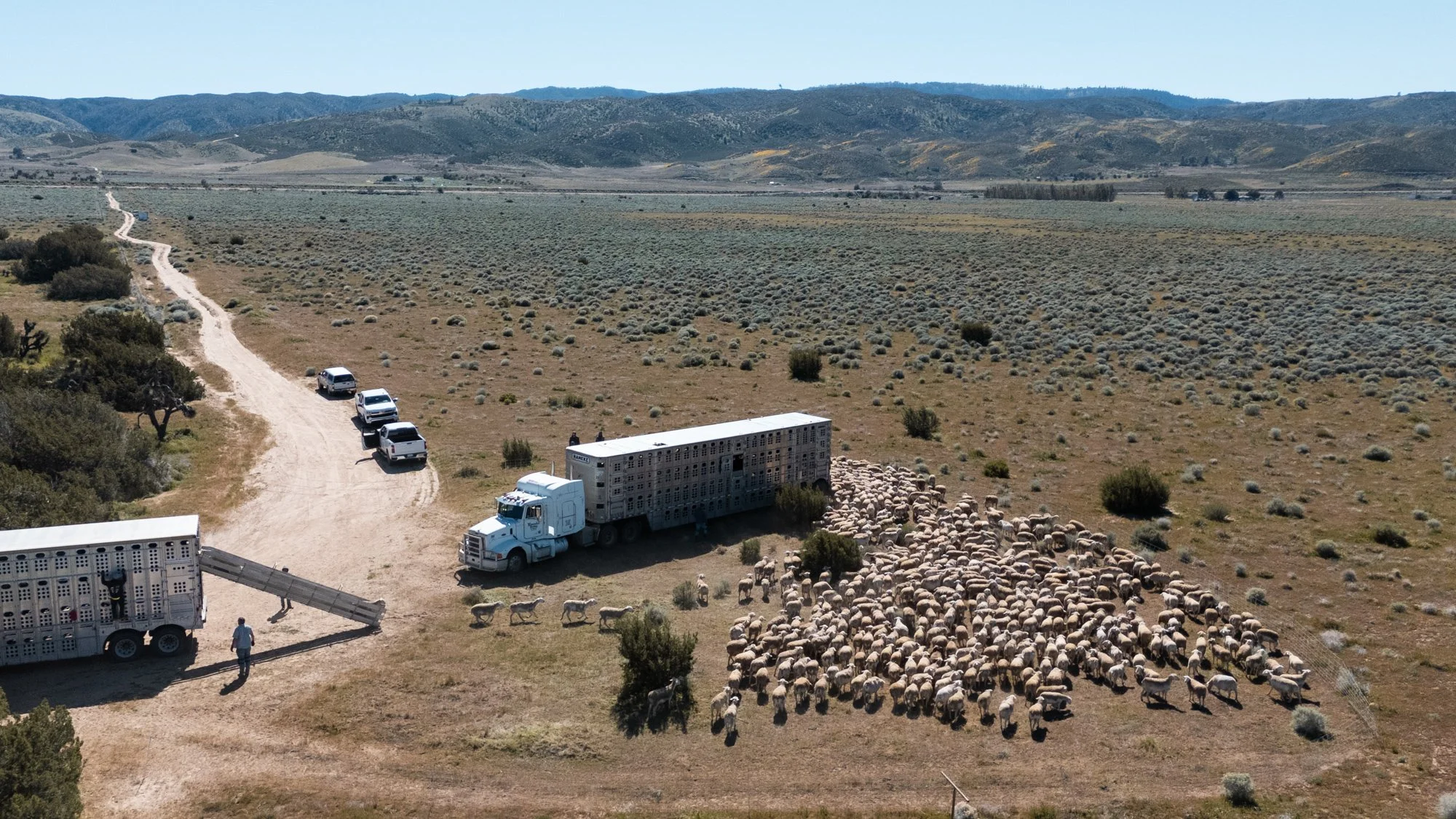
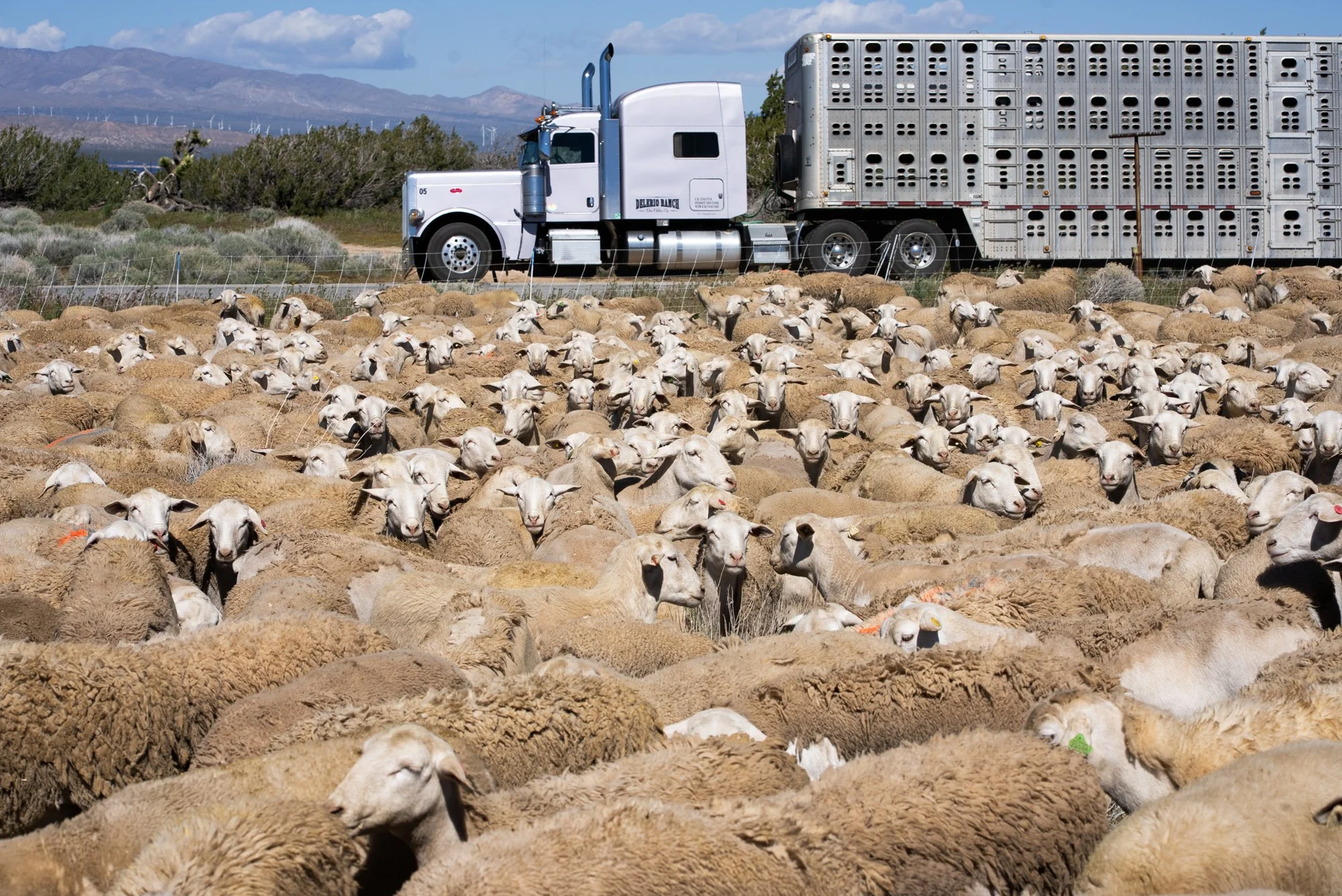
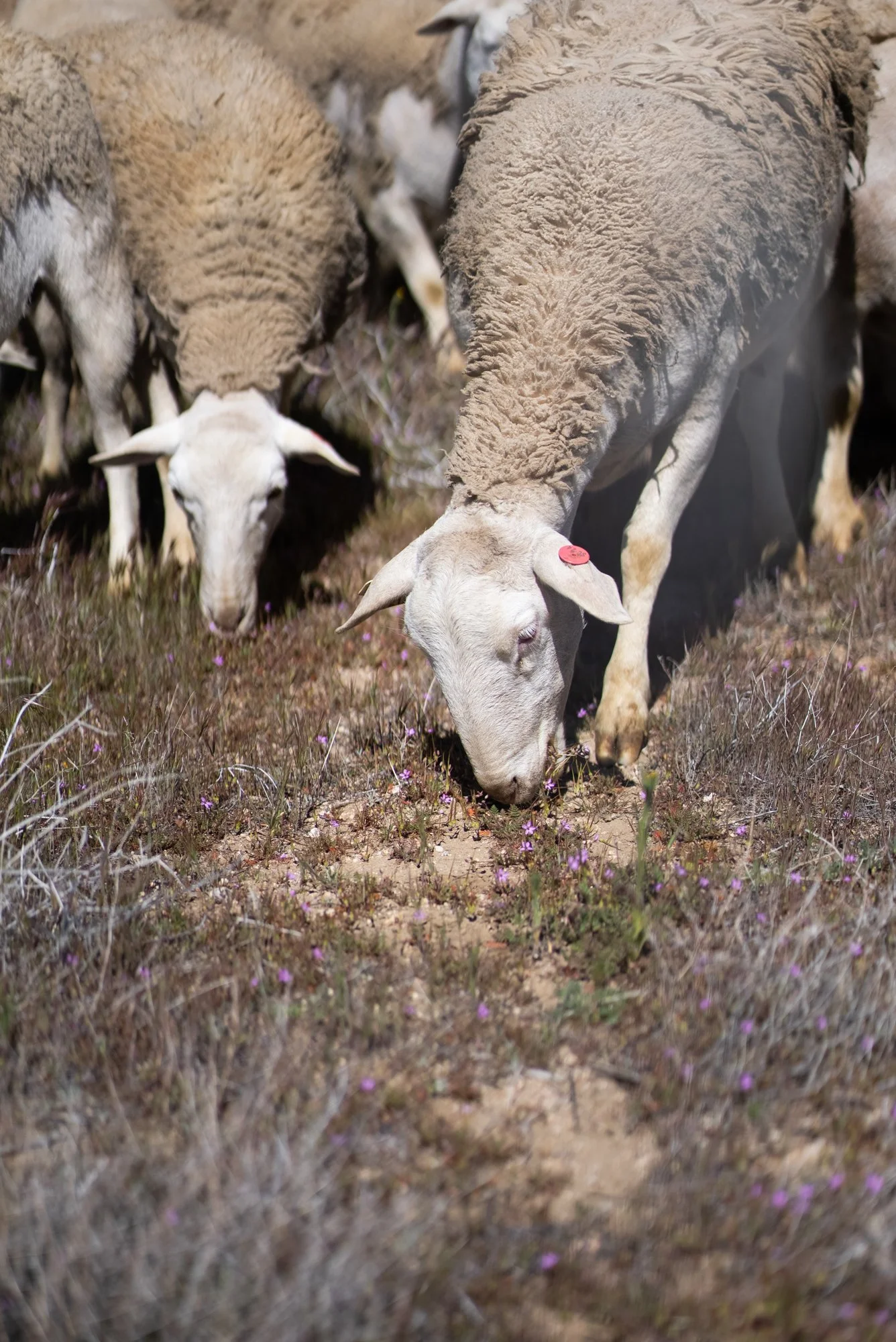
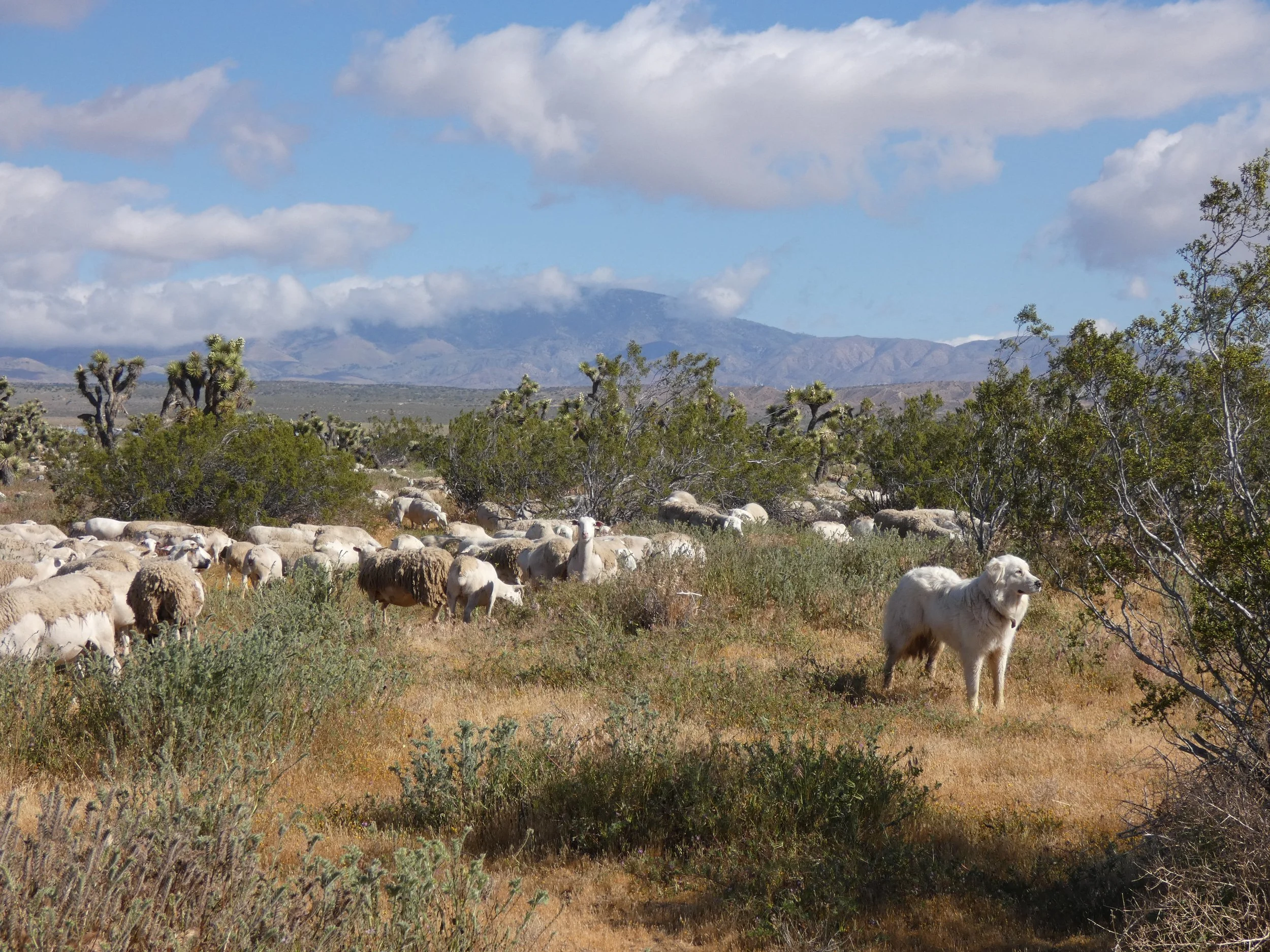
With the catastrophic wildfires that have plagued the region, controlling fuel sources is a crucial aspect of Star Creek Stewards’ mission. The ability of the sheep to incorporate themselves into an environment in an ecologically friendly way, and to control the underbrush sustainably is of the utmost importance in this current era of megadrought and intense wildfire. Not only do the animals reduce fuel loads, they also can control invasive vegetation. We selected sheep rather than goats due to the sensitive nature of the Joshua tree woodlands we manage. Goats tend to browse more, and the sheep do not harm the Western Joshua tree sprouts.
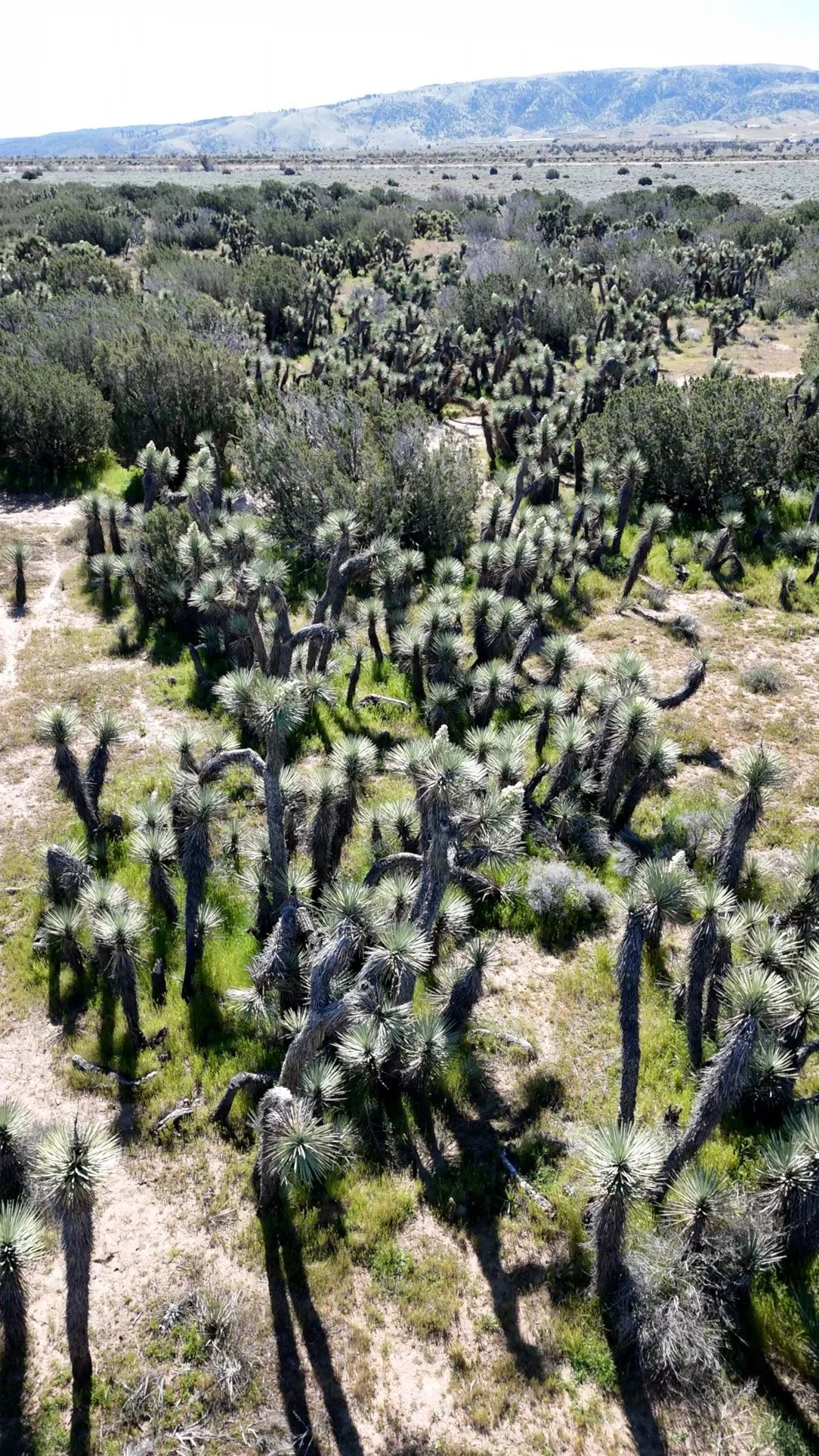
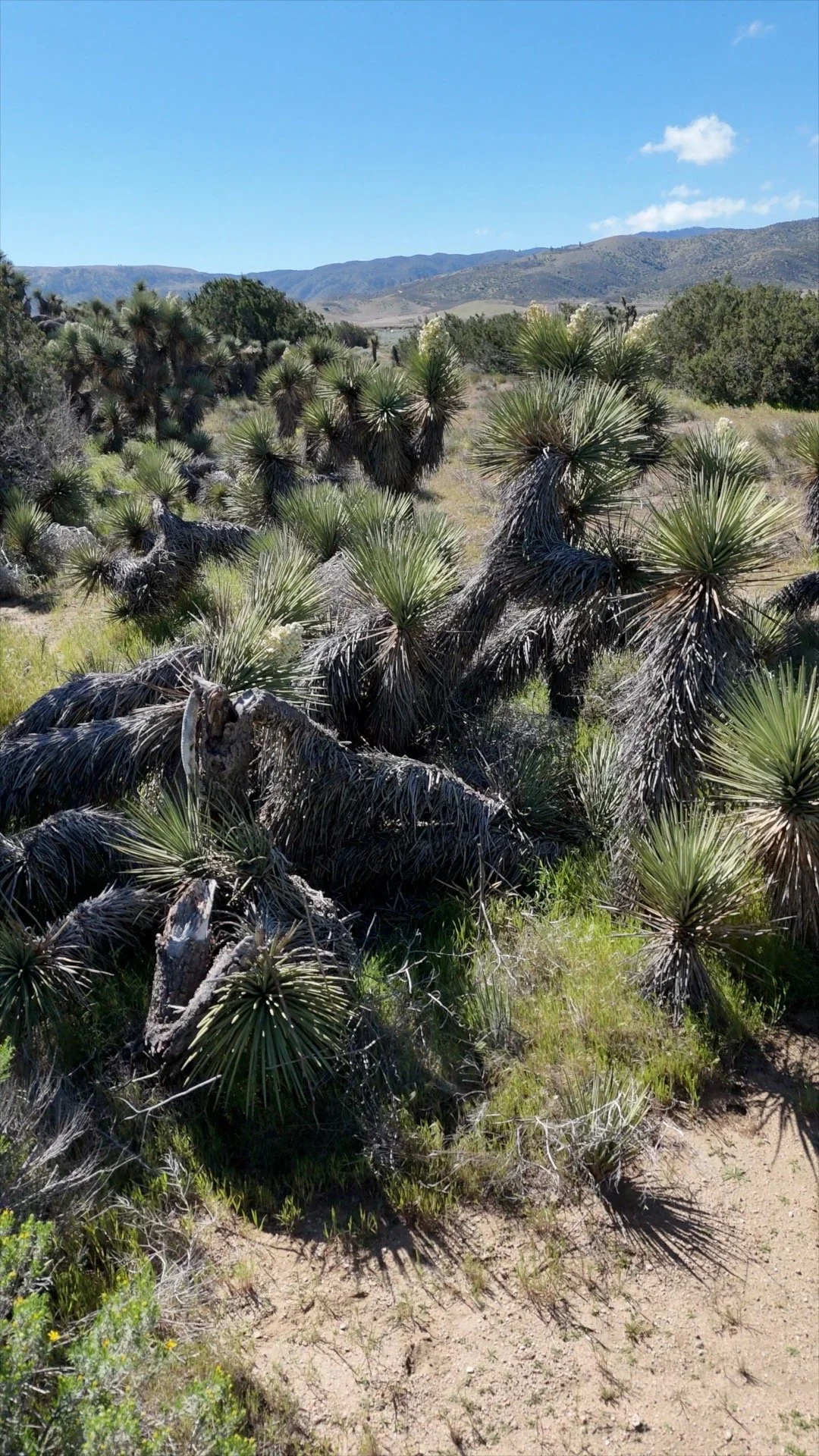
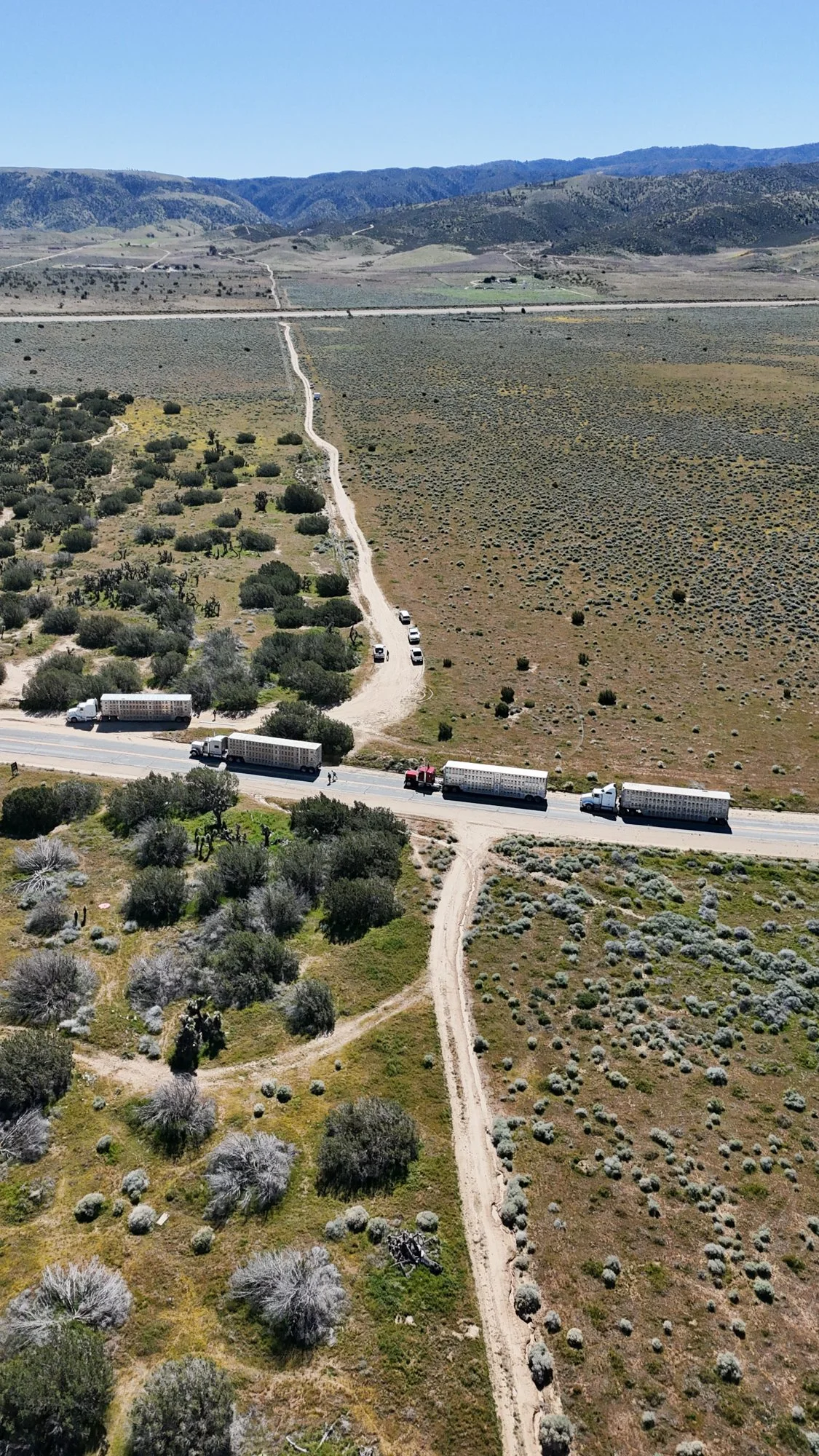
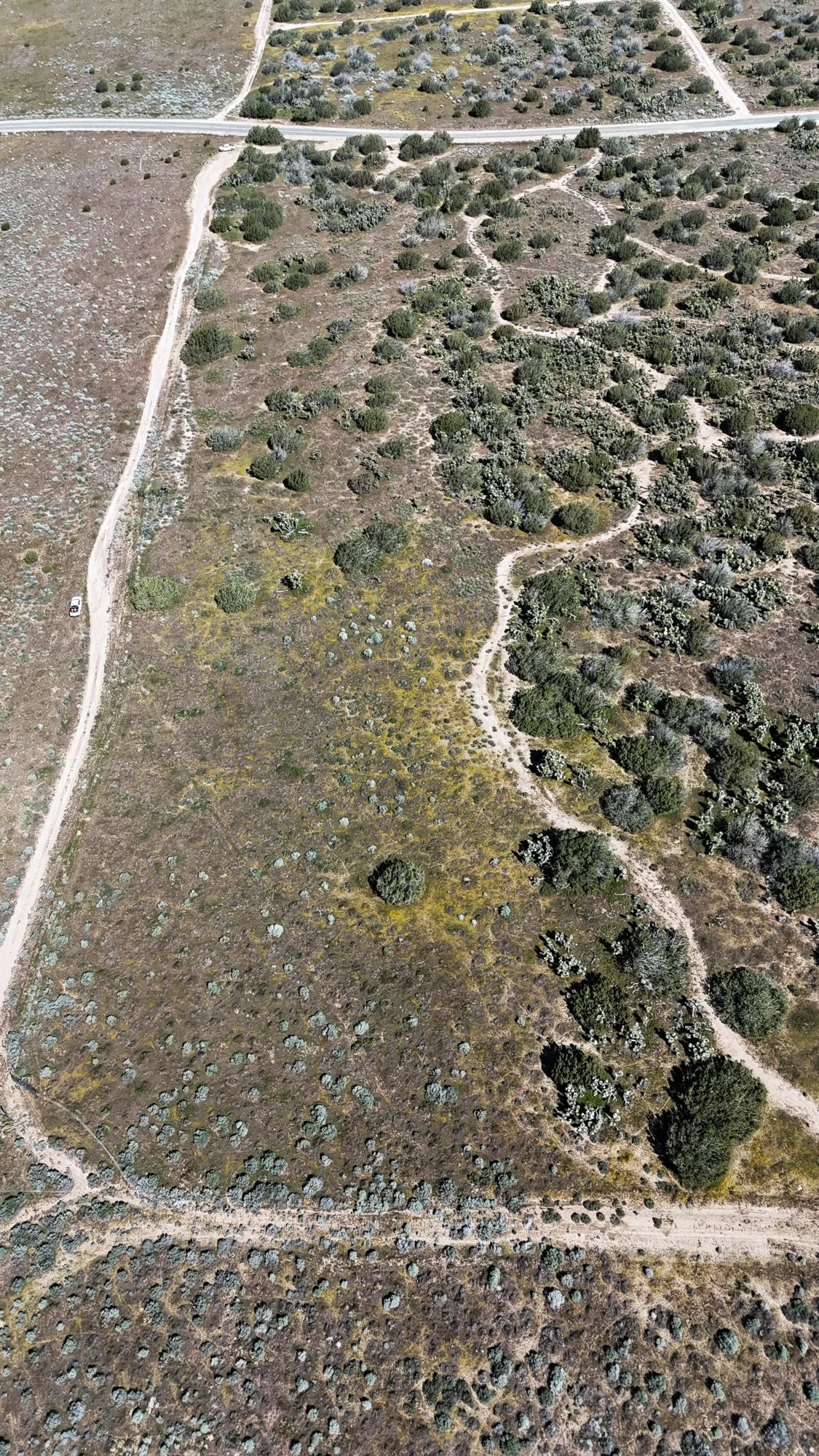
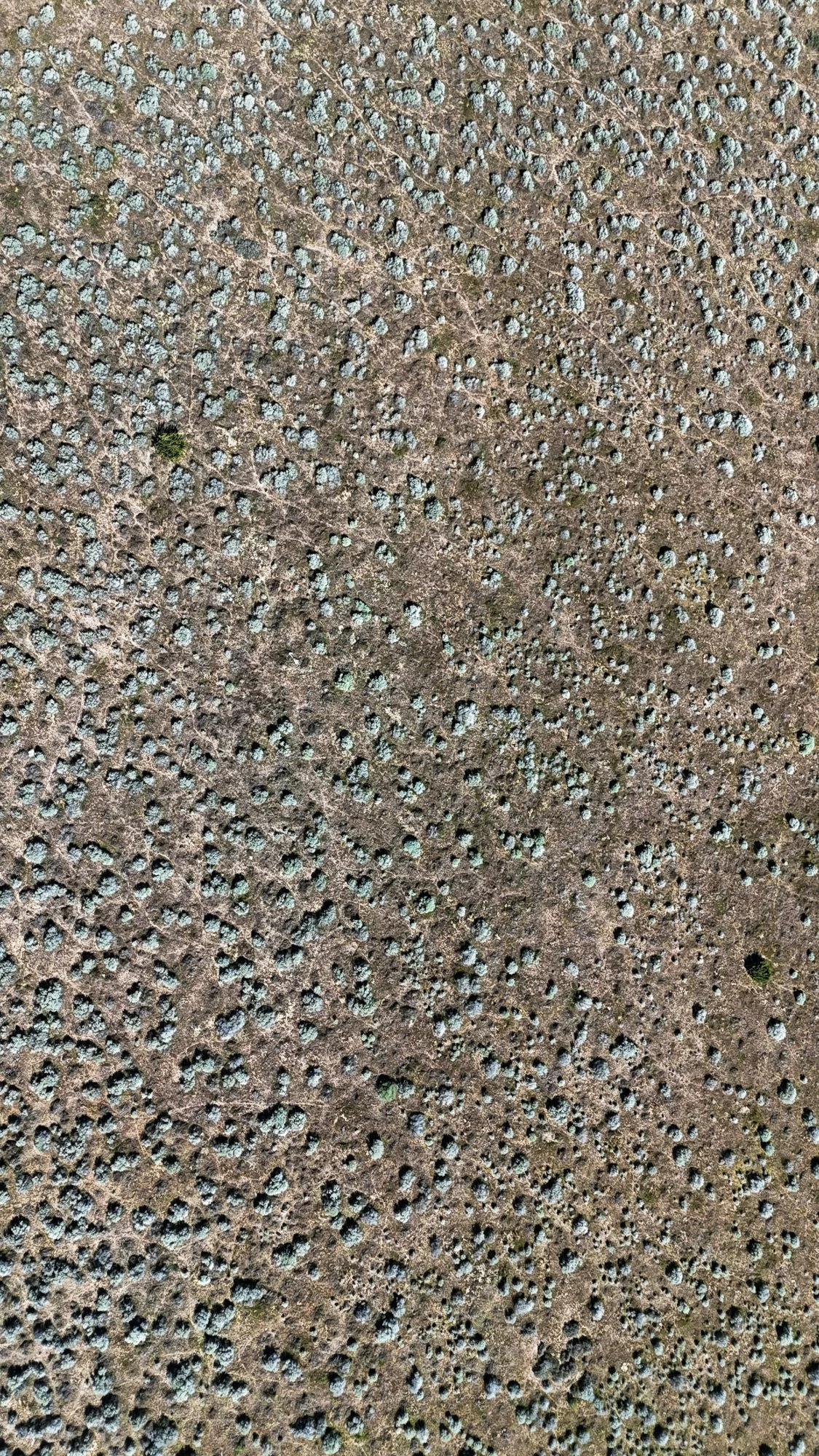
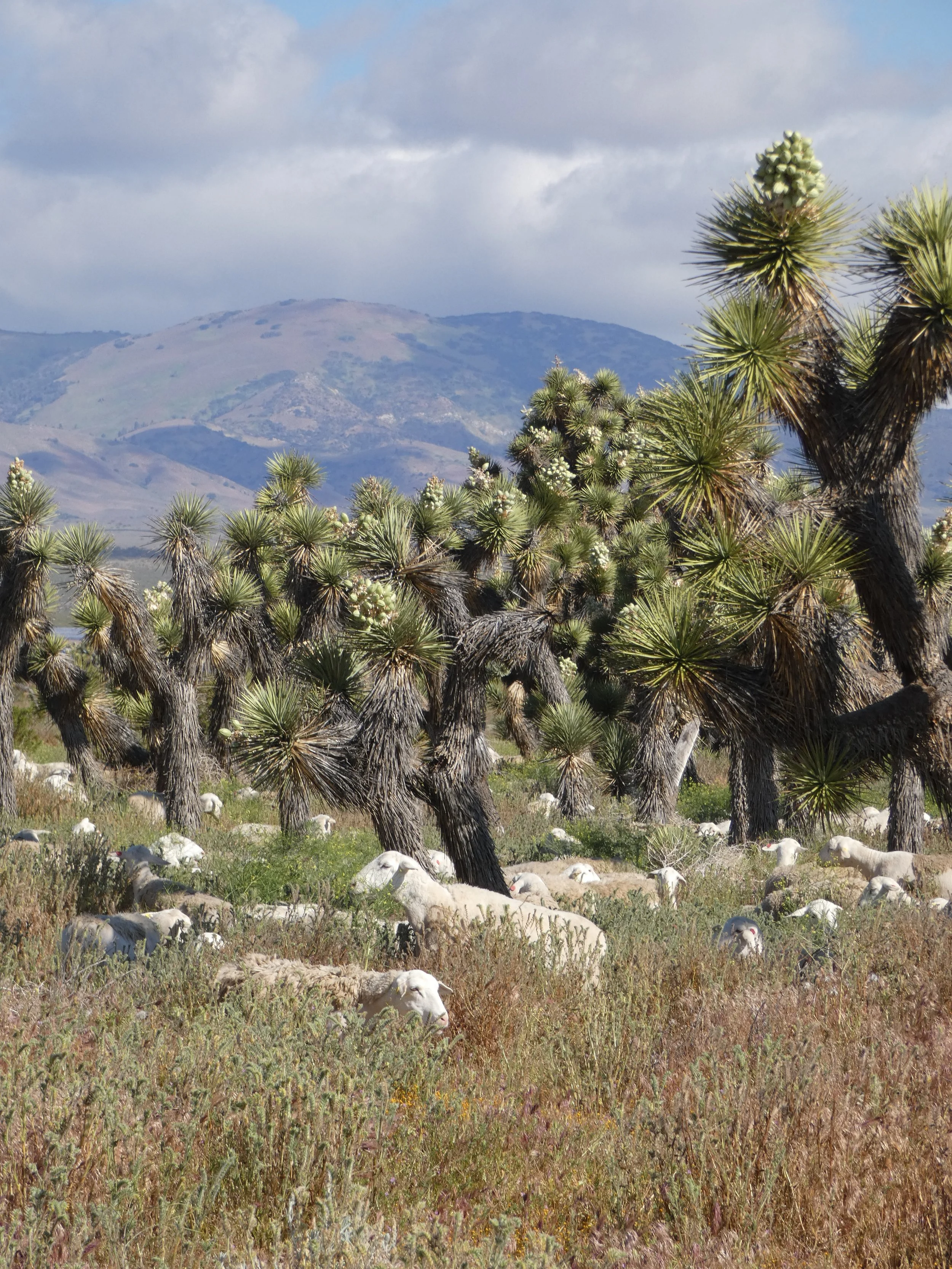
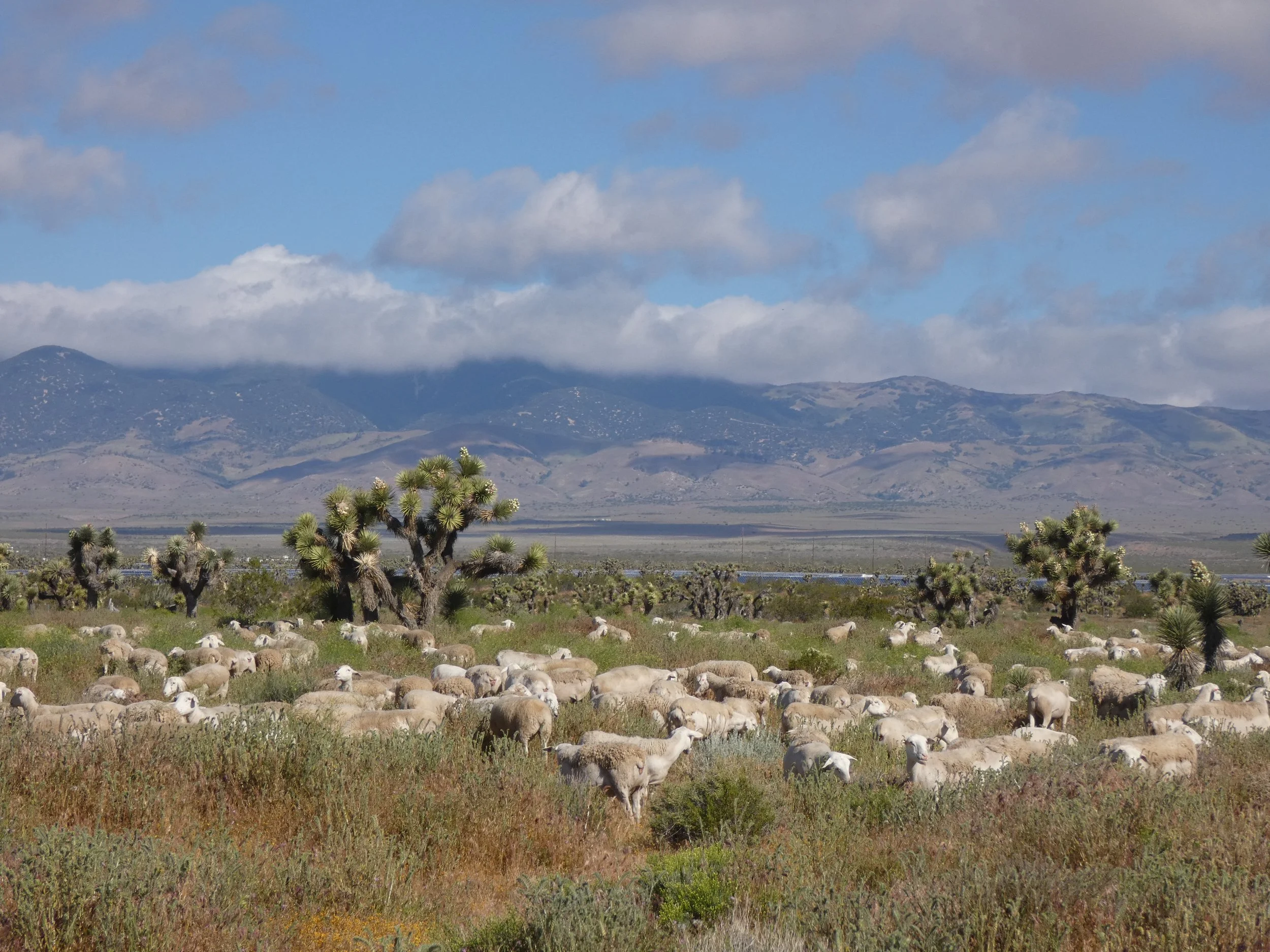
Invasive plants like cheatgrass, red brome, Russian thistle, and our various species of non-native mustards are a particular danger in the Antelope Valley, and in many areas across the Western United States. The invasive Sahara mustard, for example, arrived in California a century ago, likely via the palm trade. But until now, its impacts on desert ecology have been difficult to measure. Scientists recently used long-term data to understand the mustard's effects on native plant communities in Mojave Desert sand dunes. Native to North Africa, the Mediterranean basin, and the Middle East, the Sahara mustard plant outcompetes native vegetation because it grows profusely, and can complete it's entire life cycle completely in the winter season, taking up valuable soil nitrogen and water. It grows and completes it's life cycle rapidly, only to die and turn to dangerous tinder by late spring. So not only does it choke out native species, it exacerbates the fire hazard and further puts native plant species at risk. Many of the other invasive species listed prior work in a similar fashion by using up valuable resources that native plants would otherwise utilize.
Chemical control of mustards and bromus grasses via herbicide usage can be highly effective at several different times of the year. This could also prove to be very cost prohibitive due to the need to apply the herbicide directly to the leaves of each plant, in the case of mustard, in order to prevent harming nearby native plants. In the case of grasses, monocot-specific herbicides could be utilized, but the grasses exist across thousands of acres on THC's lands alone.
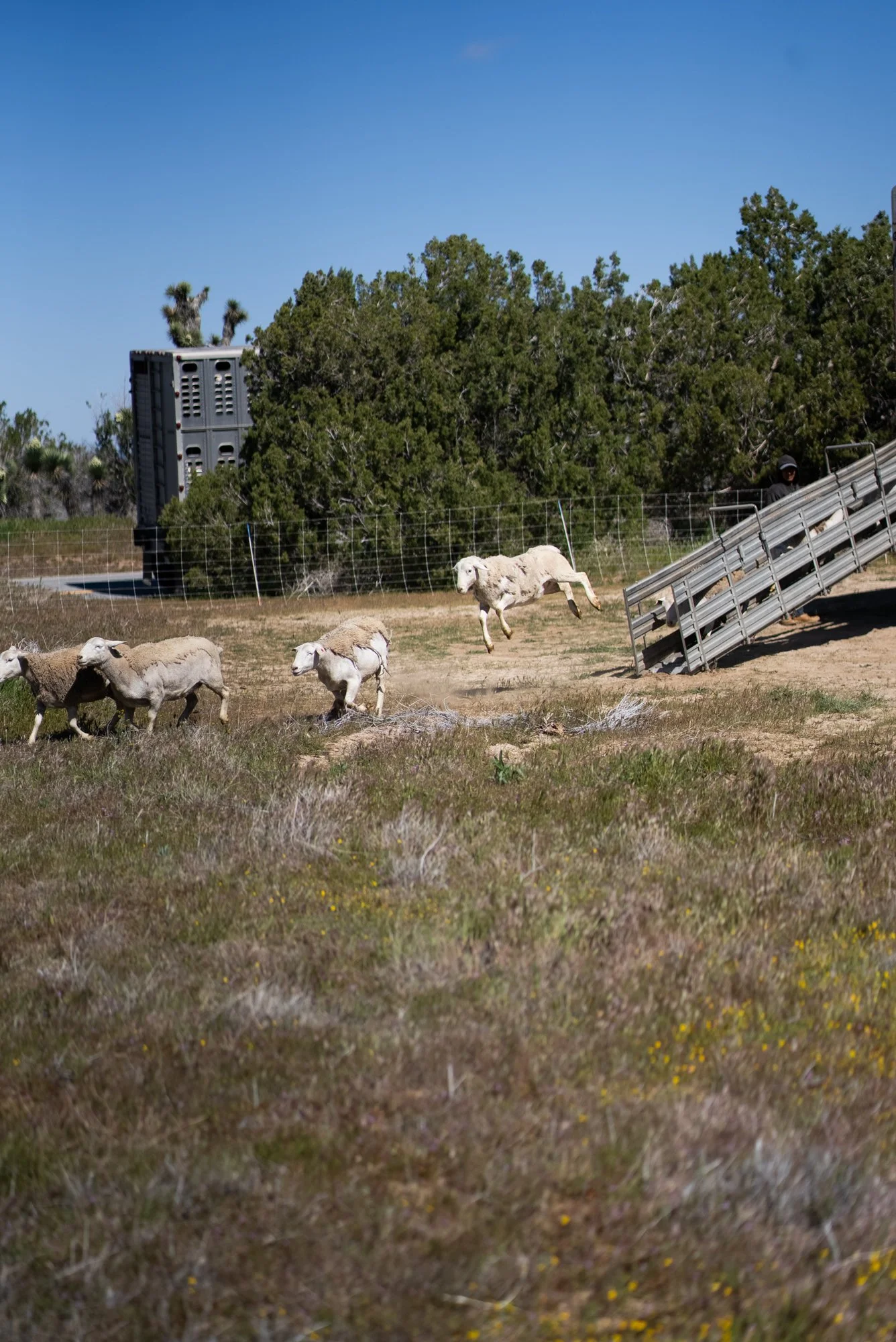
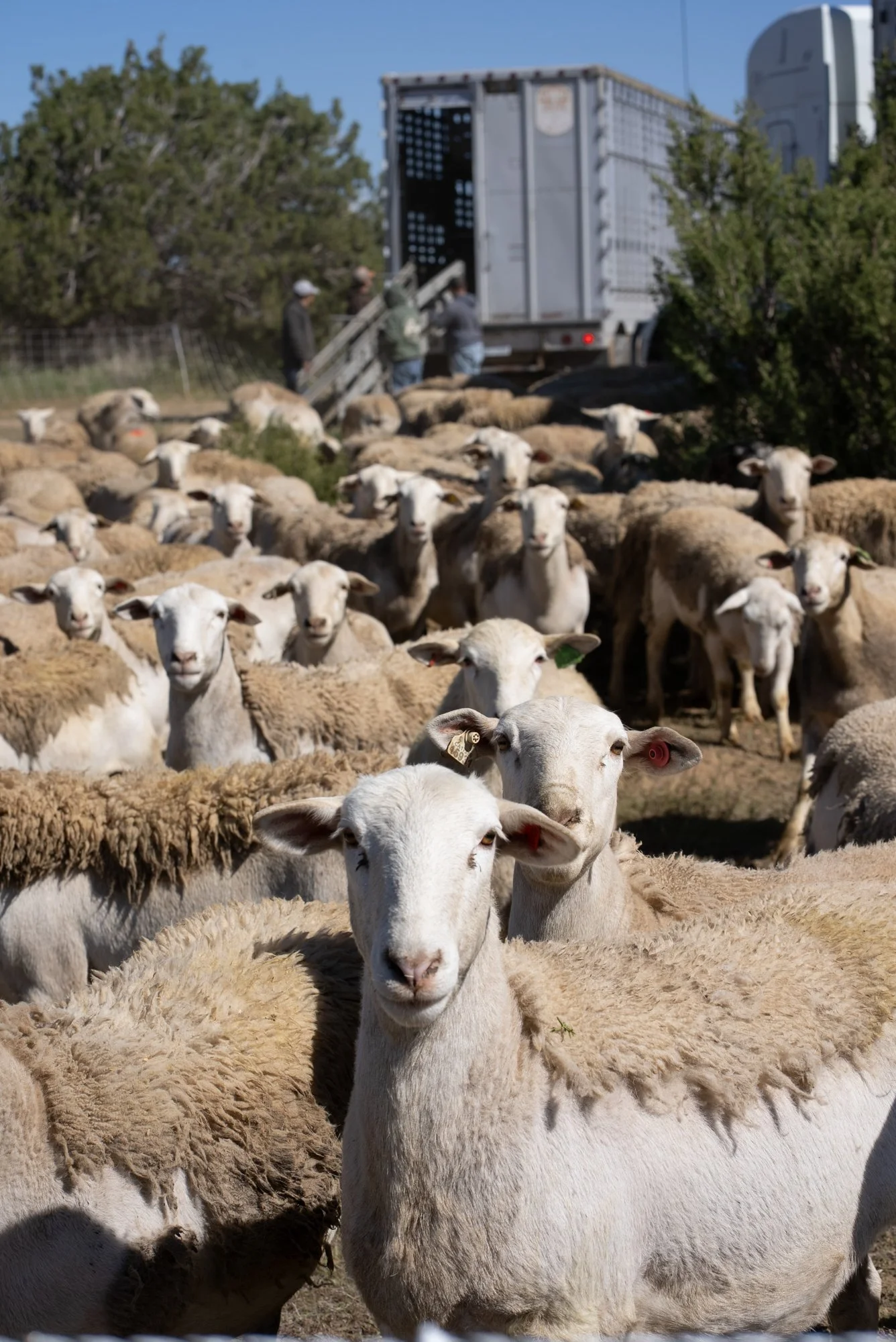
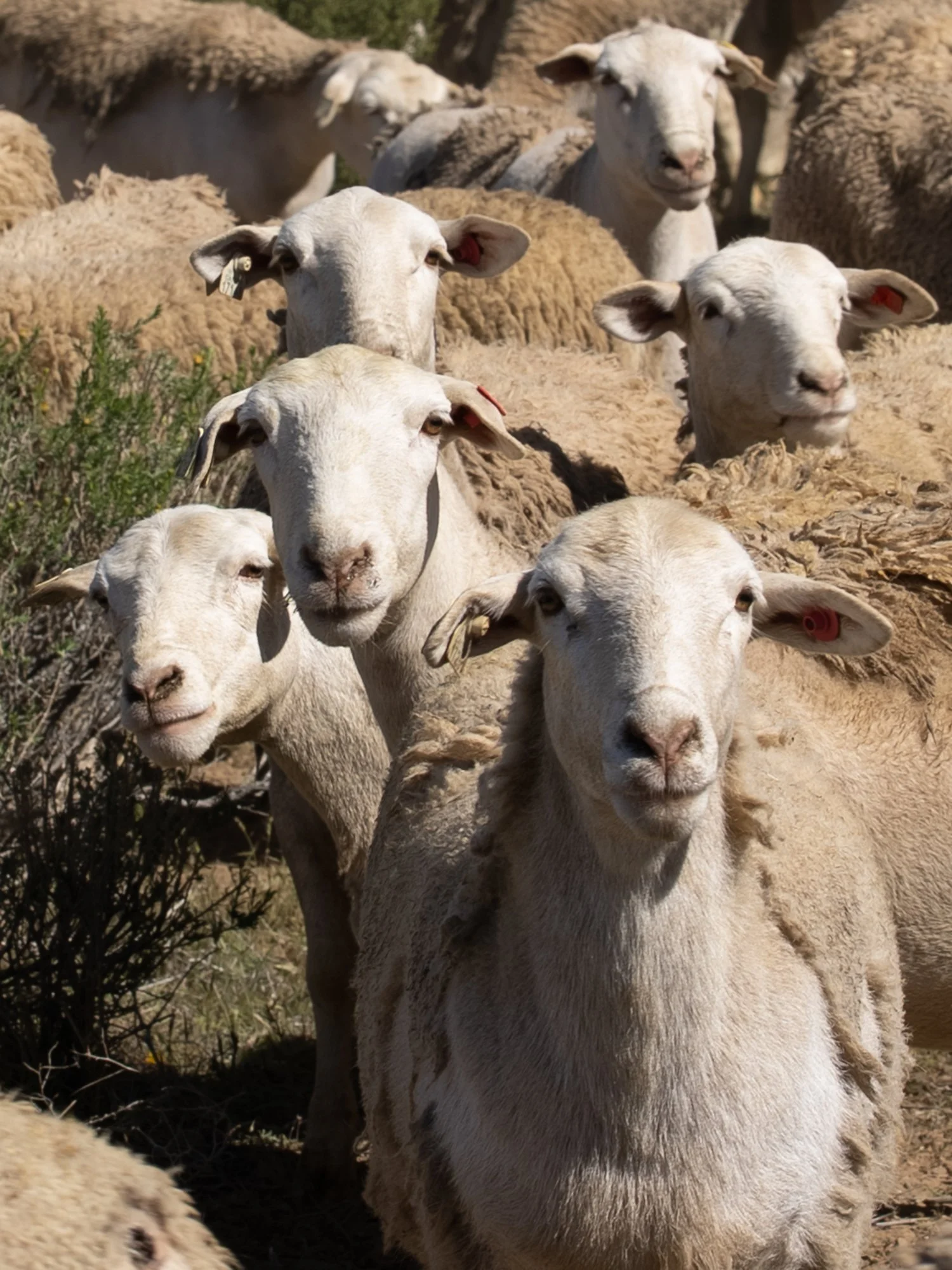
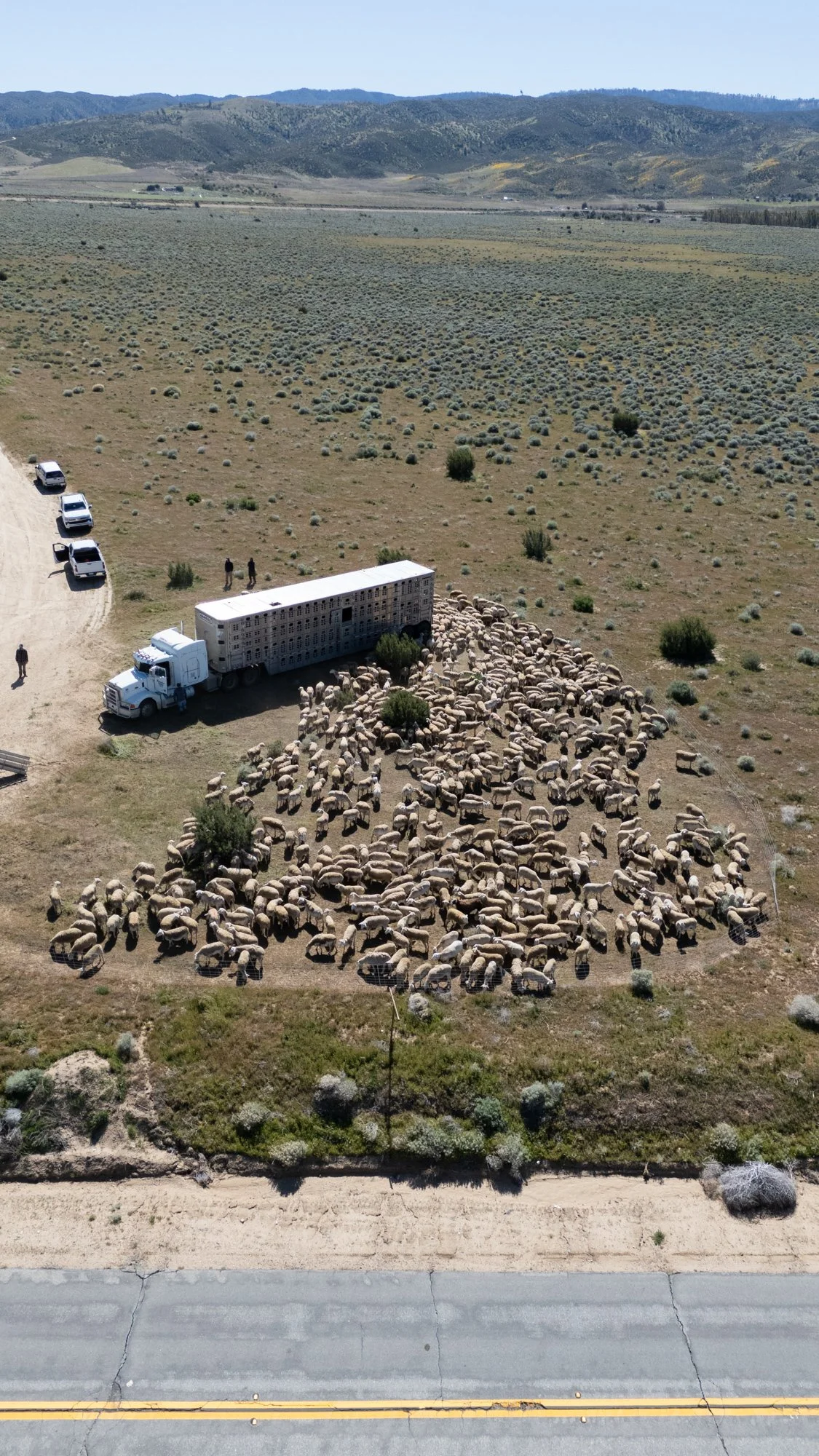
However, herbicide usage is not allowed on many of THC's properties due to State restrictions. Hand removal can sometimes be accomplished with small patches of mustard and Russian thistle, but for larger patches it is time-consuming, cost-prohibitive, and does not allow entire plots to be treated at once. Thus the use of sheep makes sense on both ecological and financial levels.
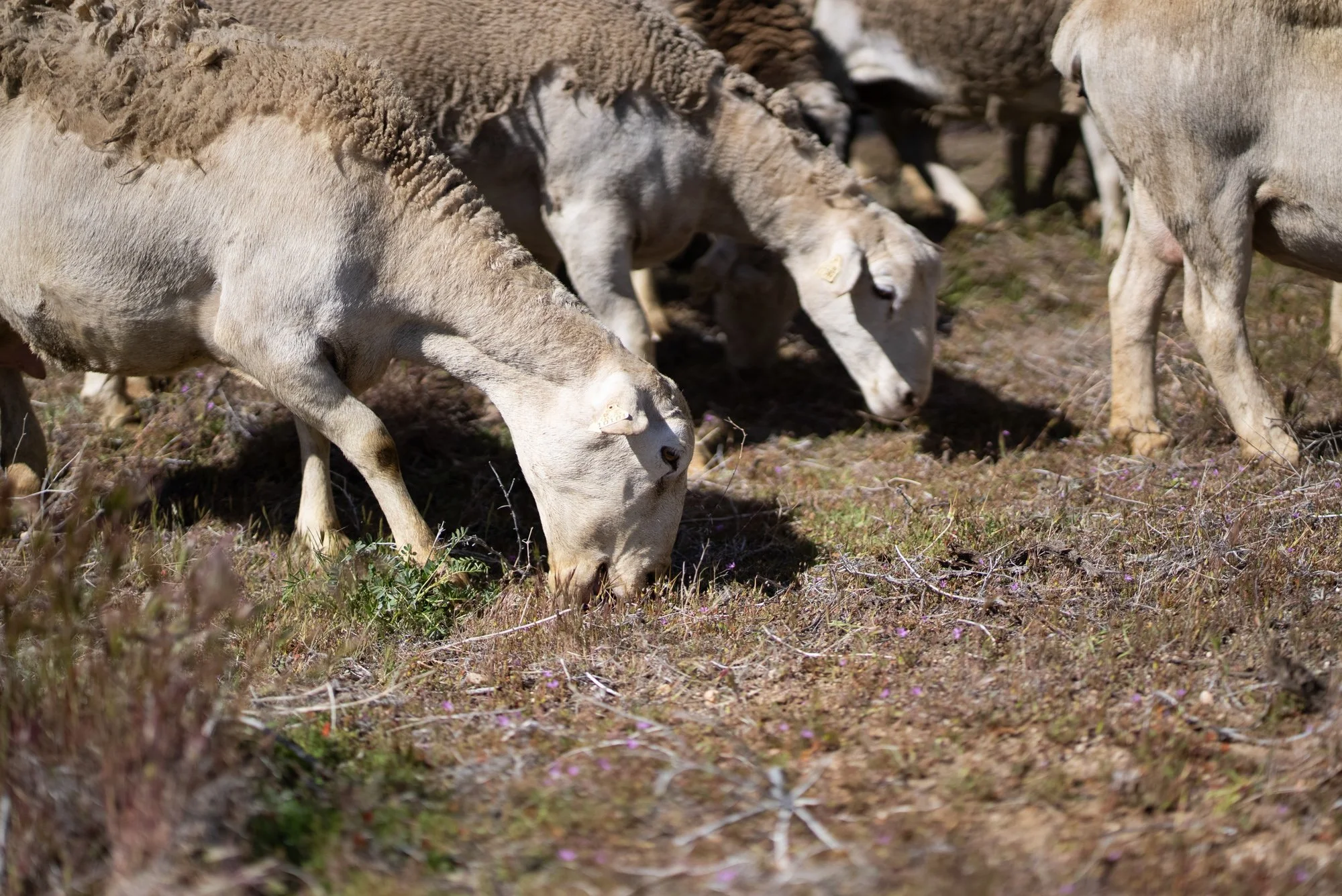
Probably most important though is the controlling of the layers of underbrush to prevent catastrophic wildfires. According to Matthew Shapiro, Project Manager with Star Creek Land Stewards, “The idea is to knock down that grass, that herbaceous layer, sort of disrupt the continuity of the fuel for the remainder of the fire season, such that if fire ever should approach and threaten the property that's owned here, the idea is that it won't carry through the woodlands because that fuel layer won't allow the fire to carry.” The best strategy requires proper timing and approach. In the springtime, much of the grass is “still quite palatable to the sheep.” By timing our grazing to catch many of the seeds before they drop, we aim to interrupt the reproductive cycle. And by focusing on small sections, the team prevents overgrazing and ensures the land can recover between treatments.
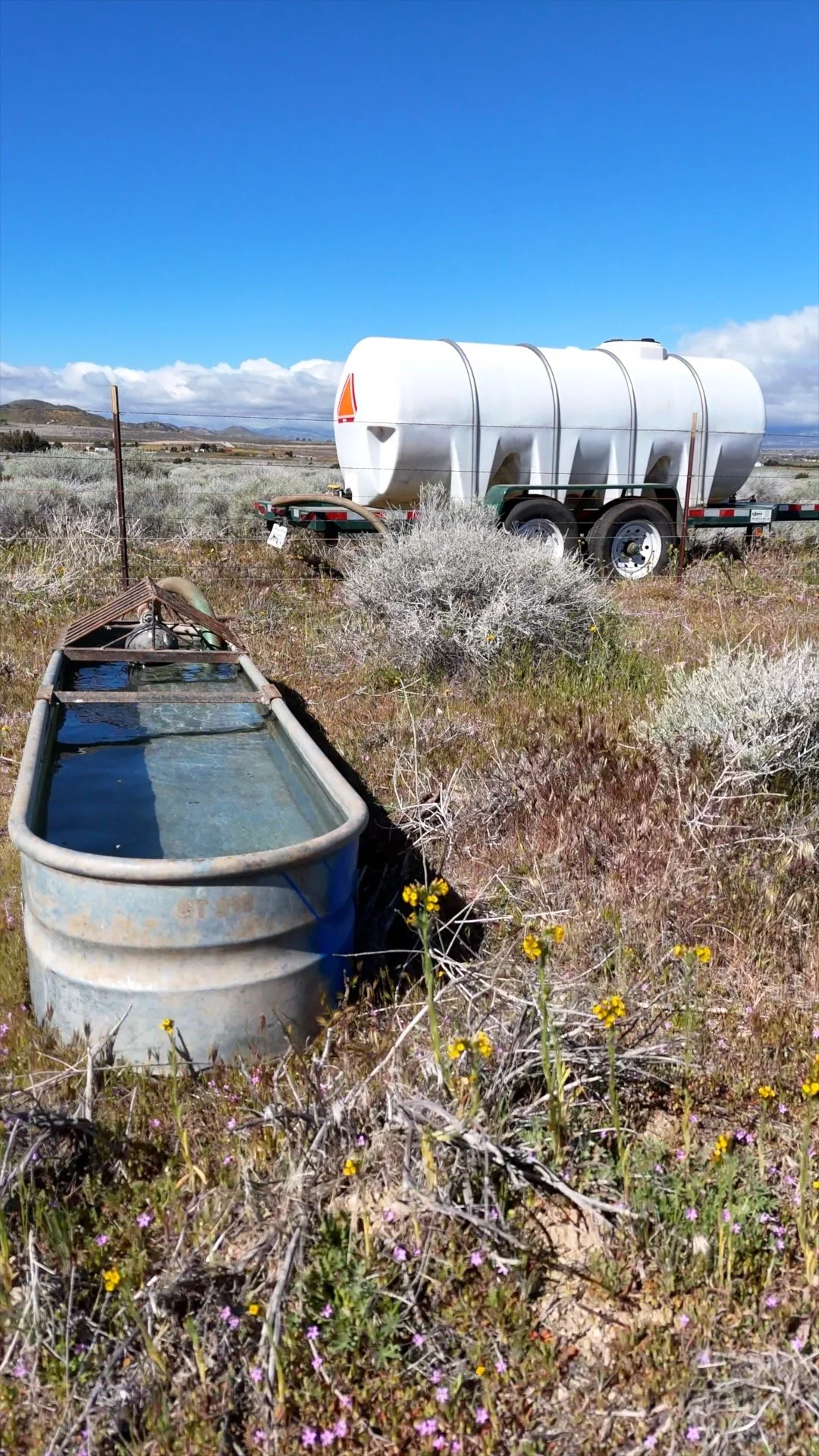
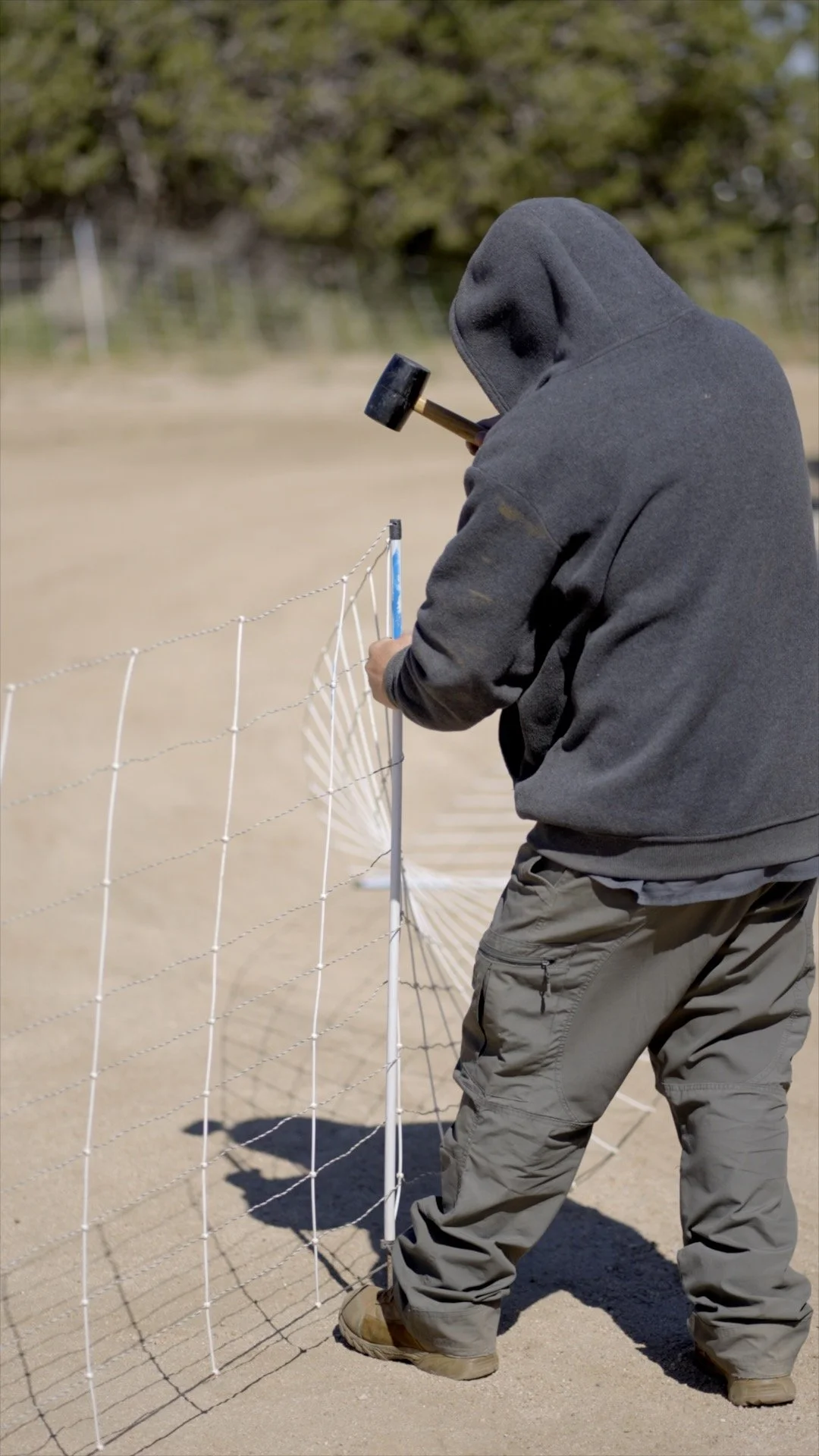
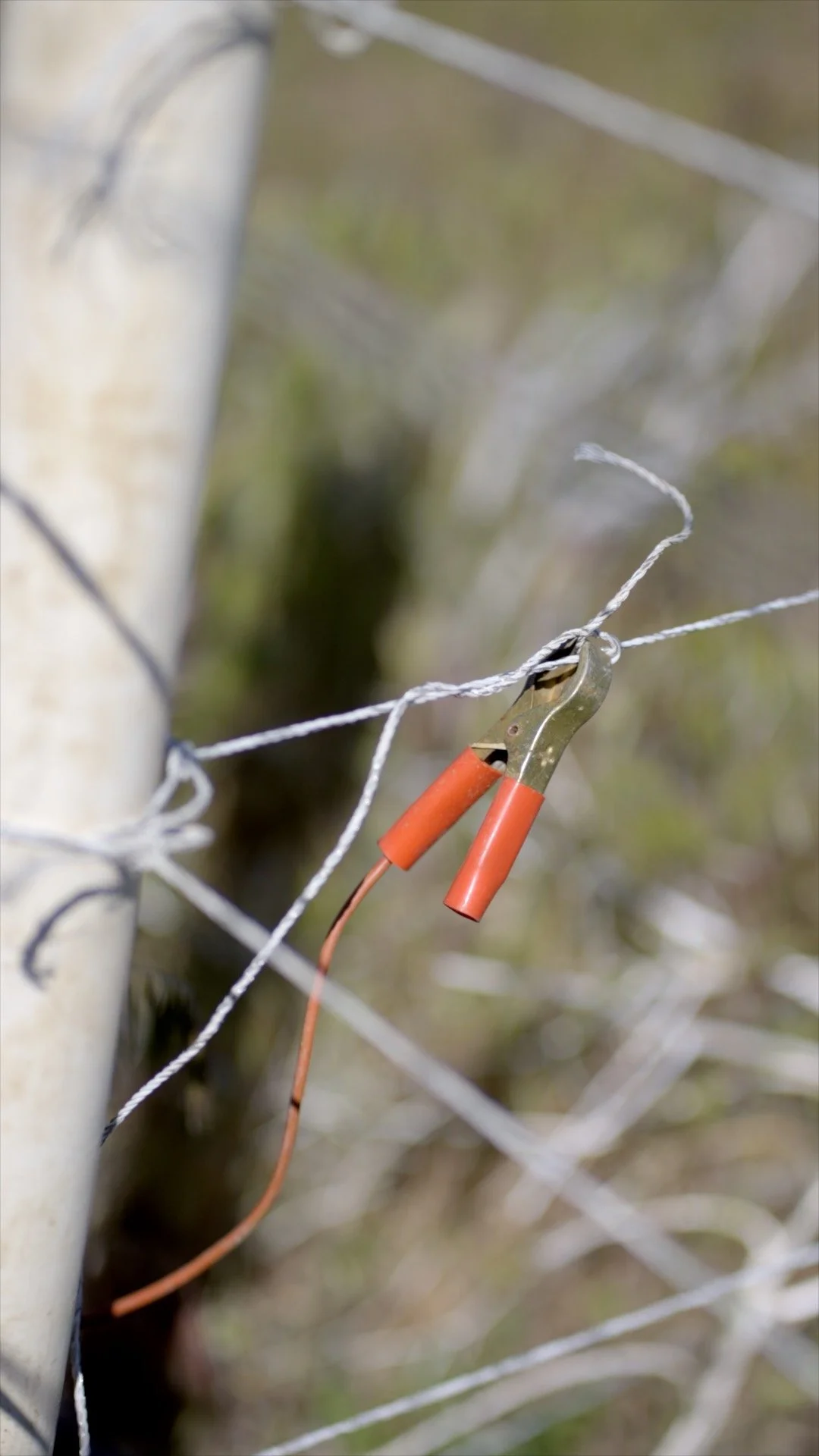
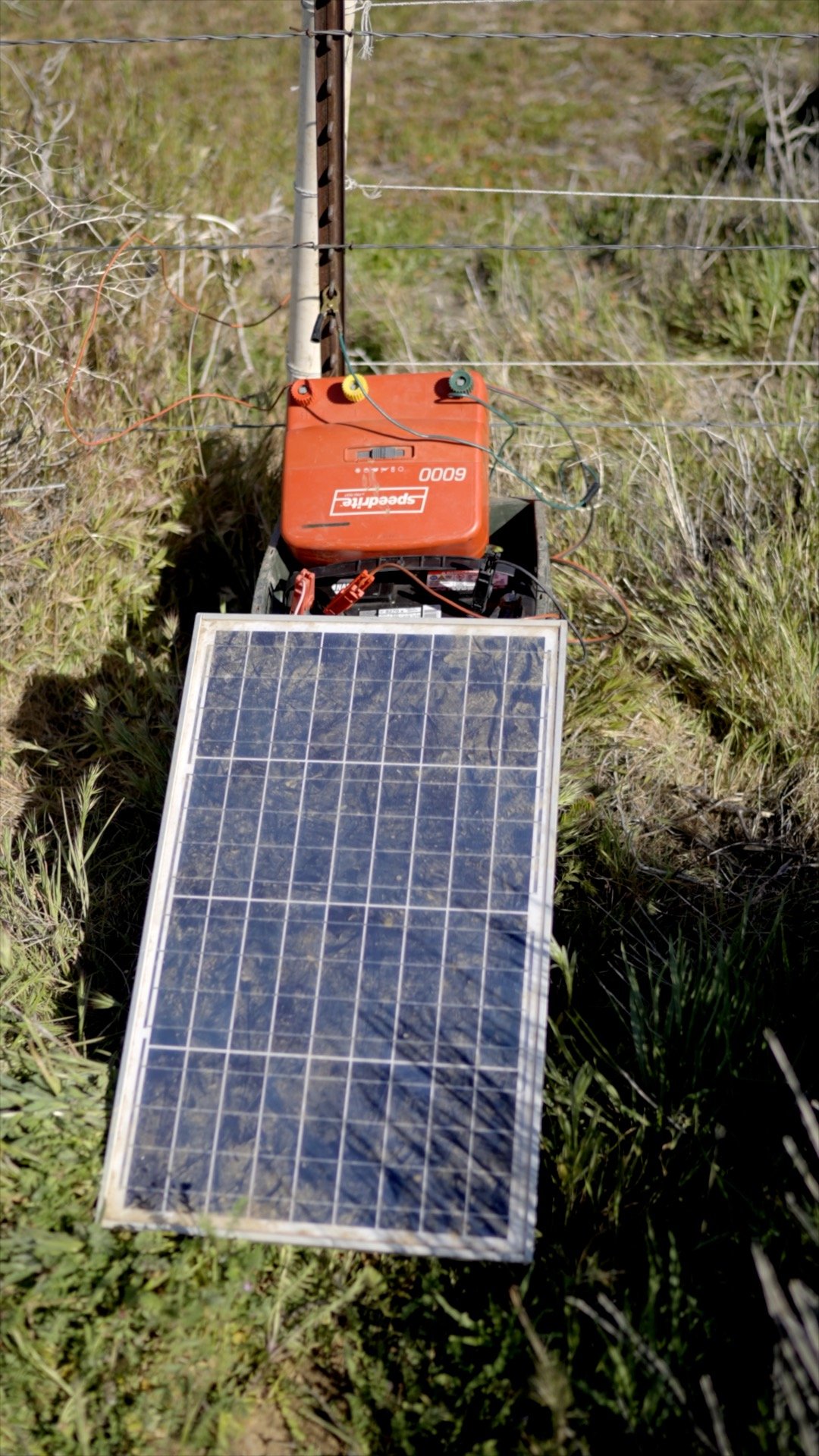
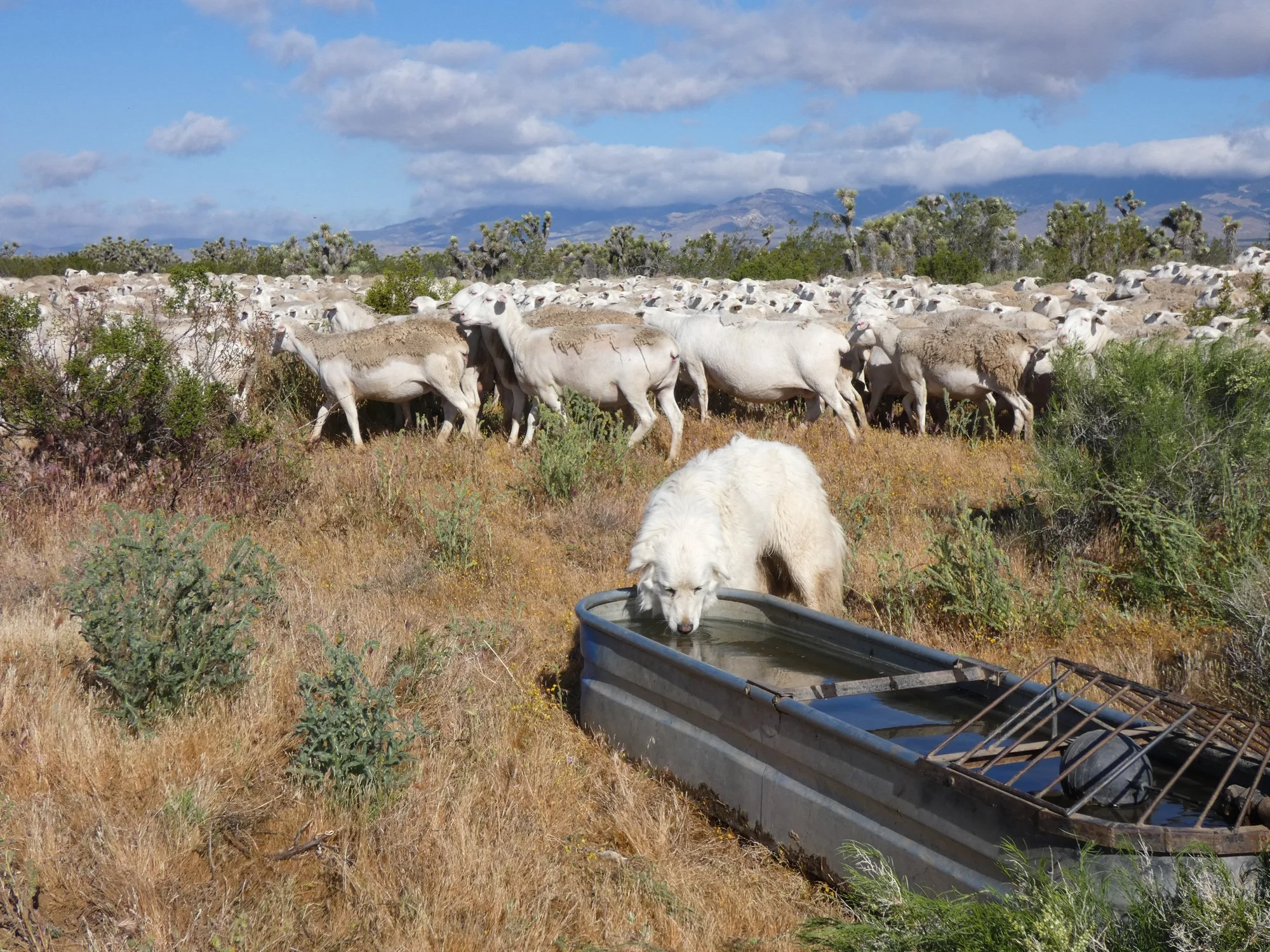
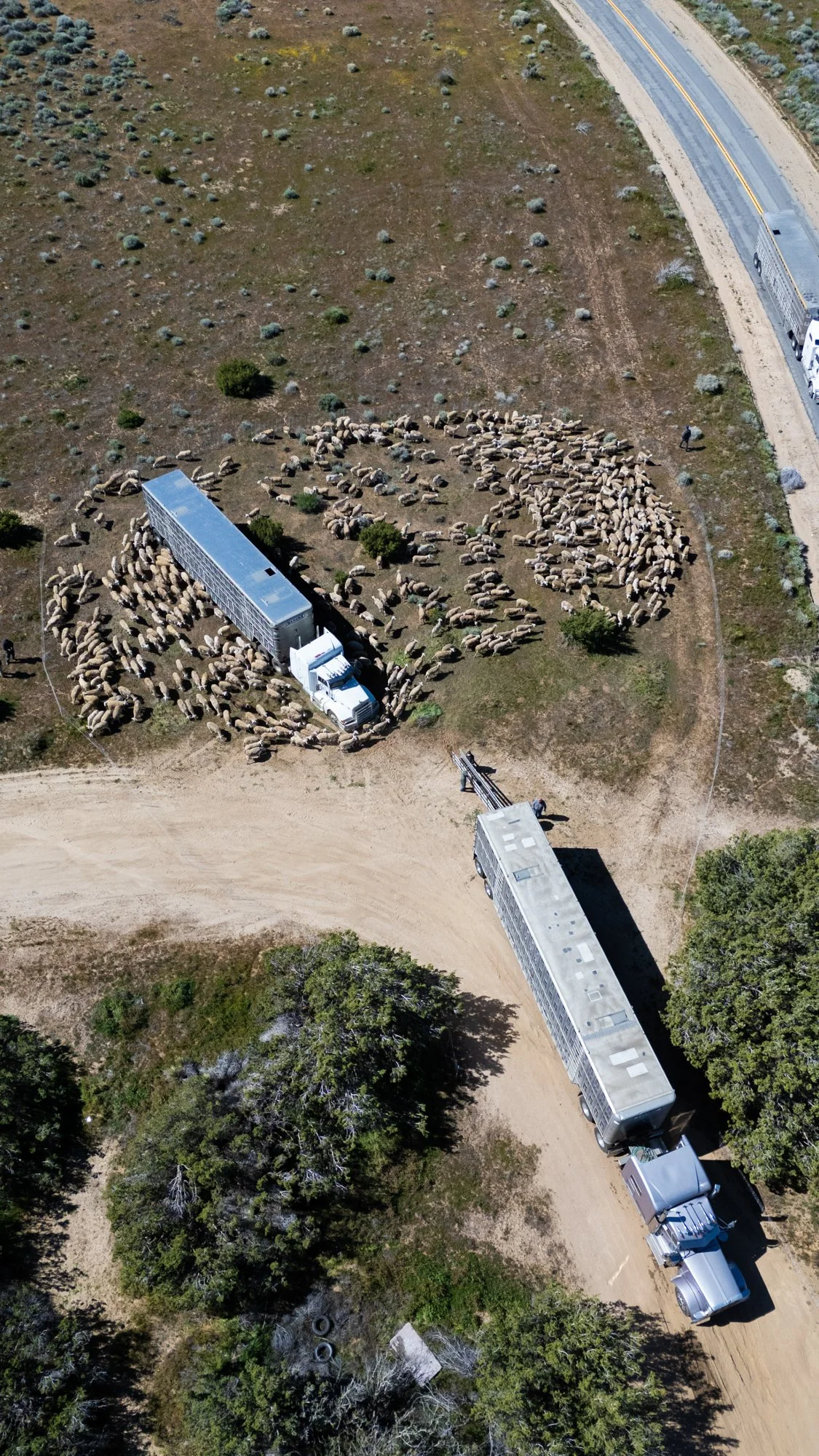
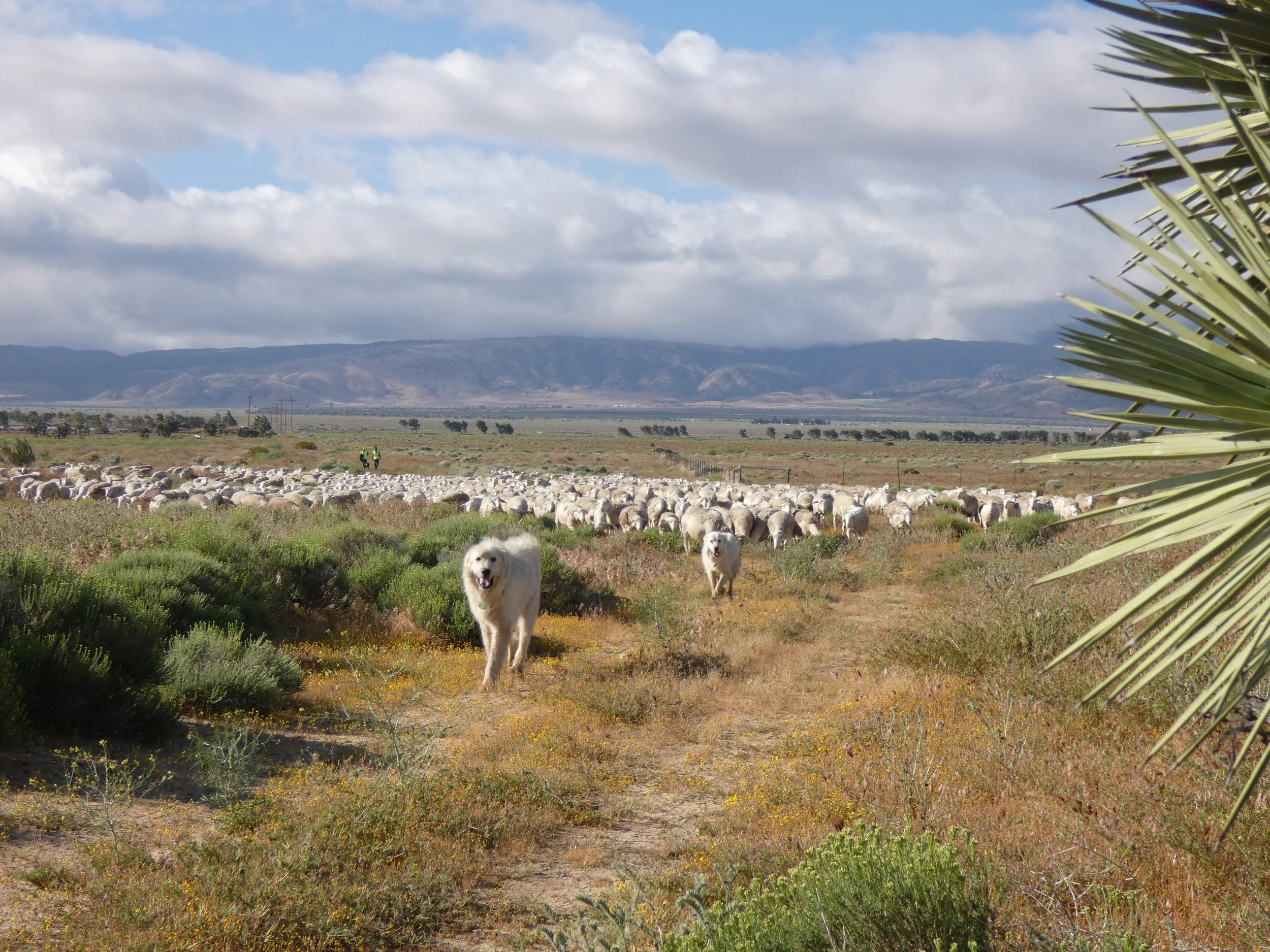
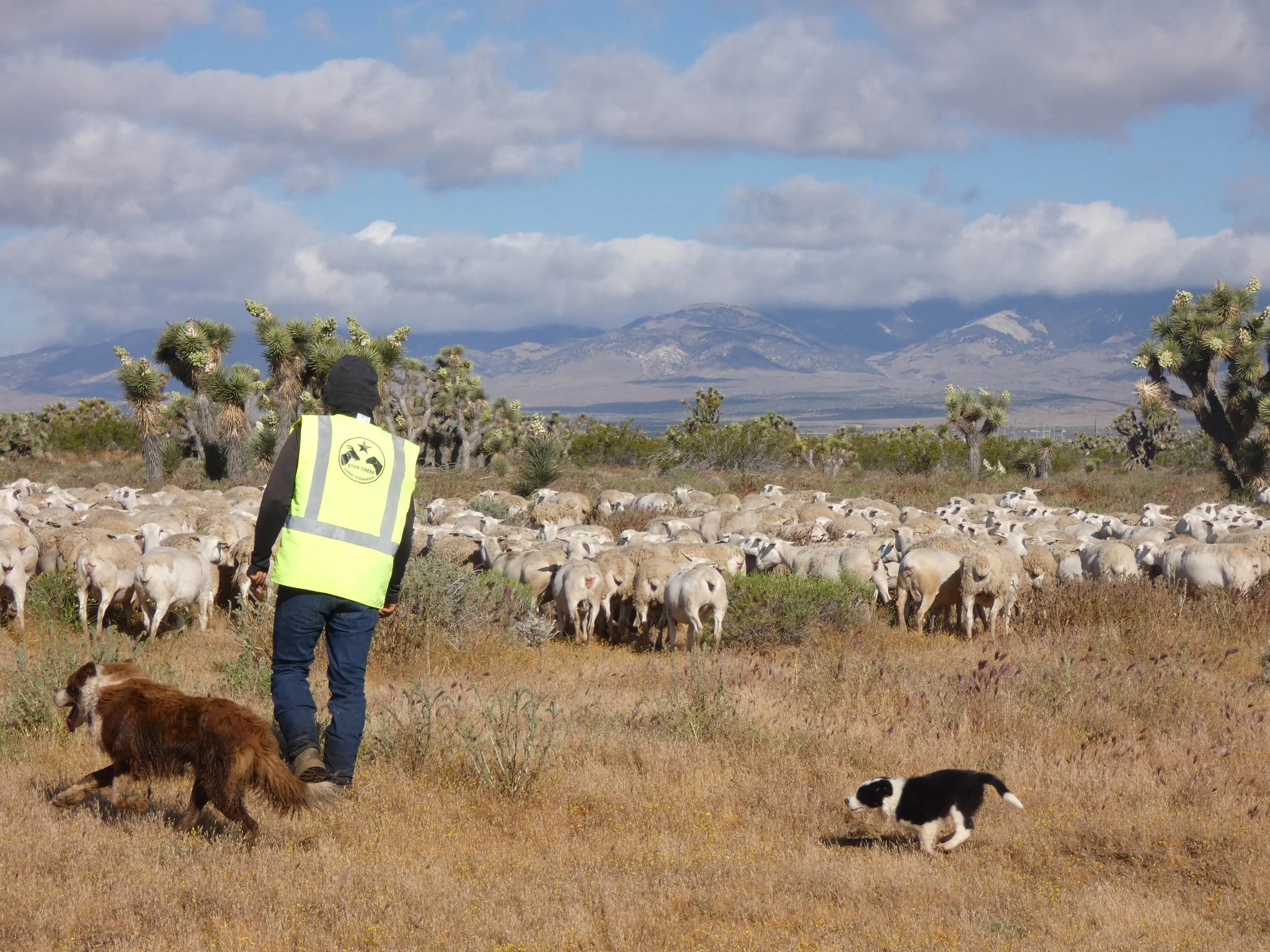
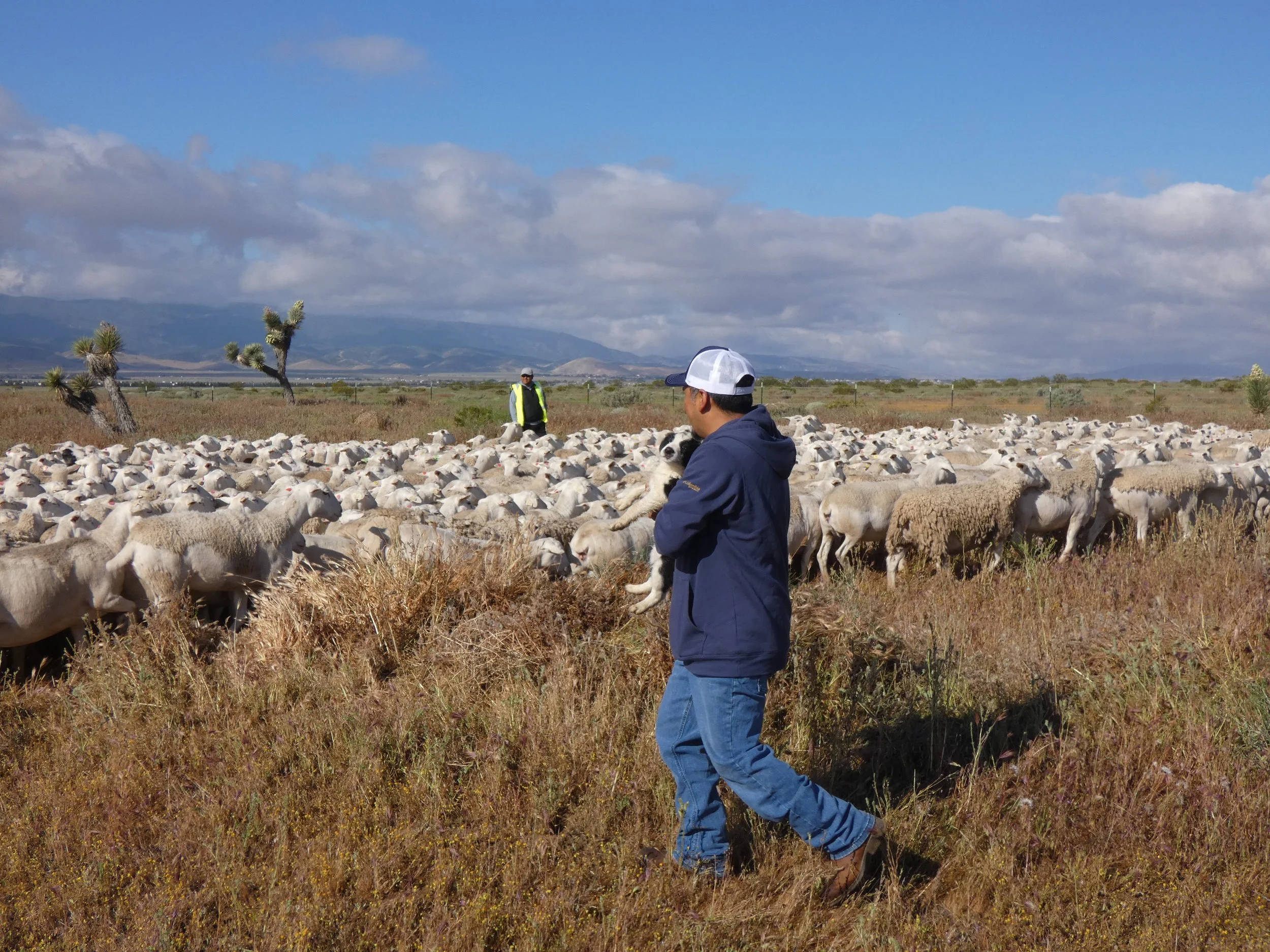
Matthew Shapiro again: “Targeted grazing works closely with the land managers to make sure that we're achieving specific goals and priorities. What that means is that our grazing prescription is very precise. To control exactly where the animals graze, we use portable electric netting, portable water systems, and herders on site at all times which allows us to have a very precise impact. We’re able to move animals with ease and expediency so that the grazing impact can be focused to do exactly what we want it to do and have no negative impacts on the land. Then once we achieve our goals, we can move on.” Along with human herders onsite, the use of livestock guardian dogs and herding dogs are also employed.
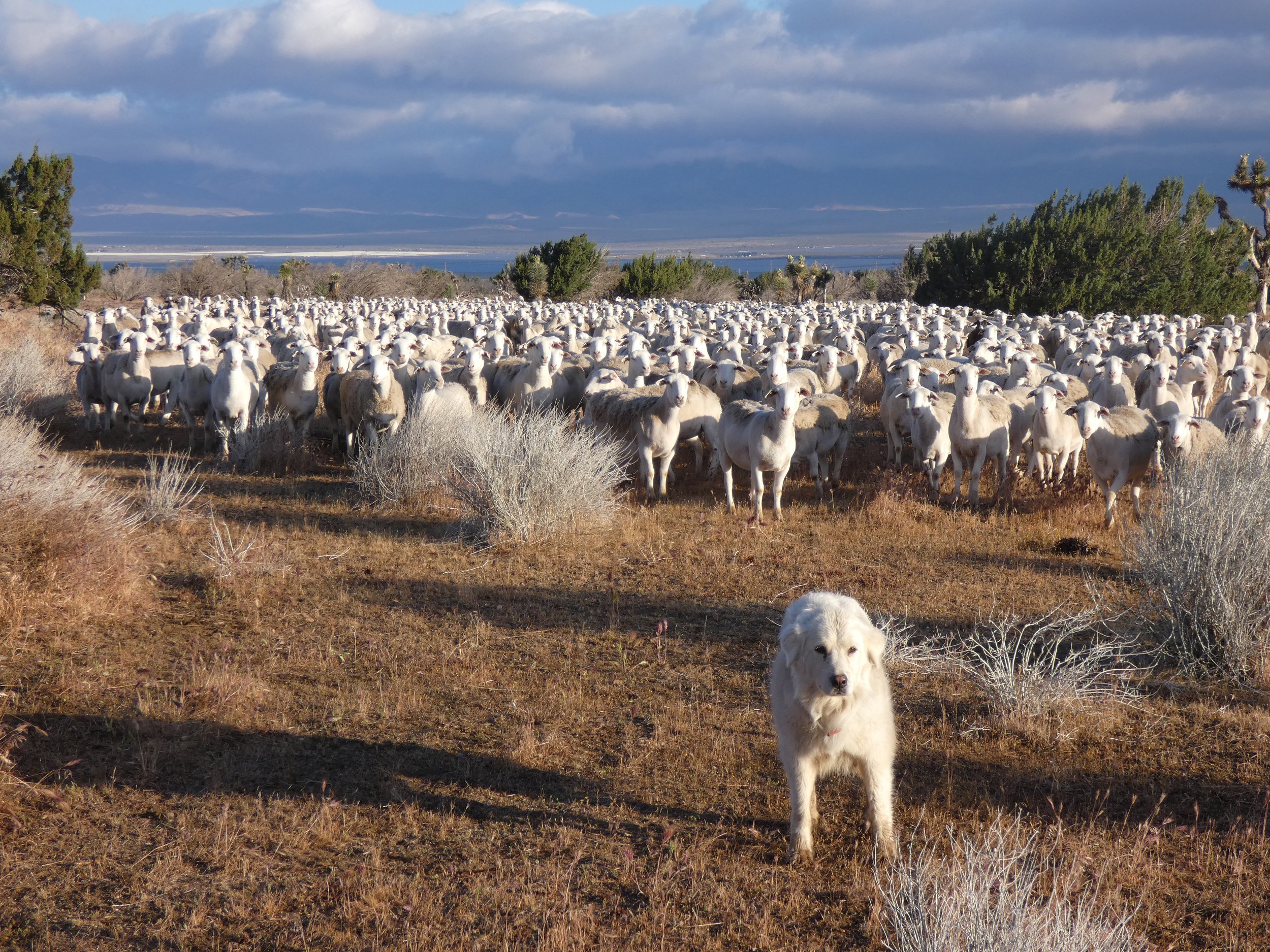
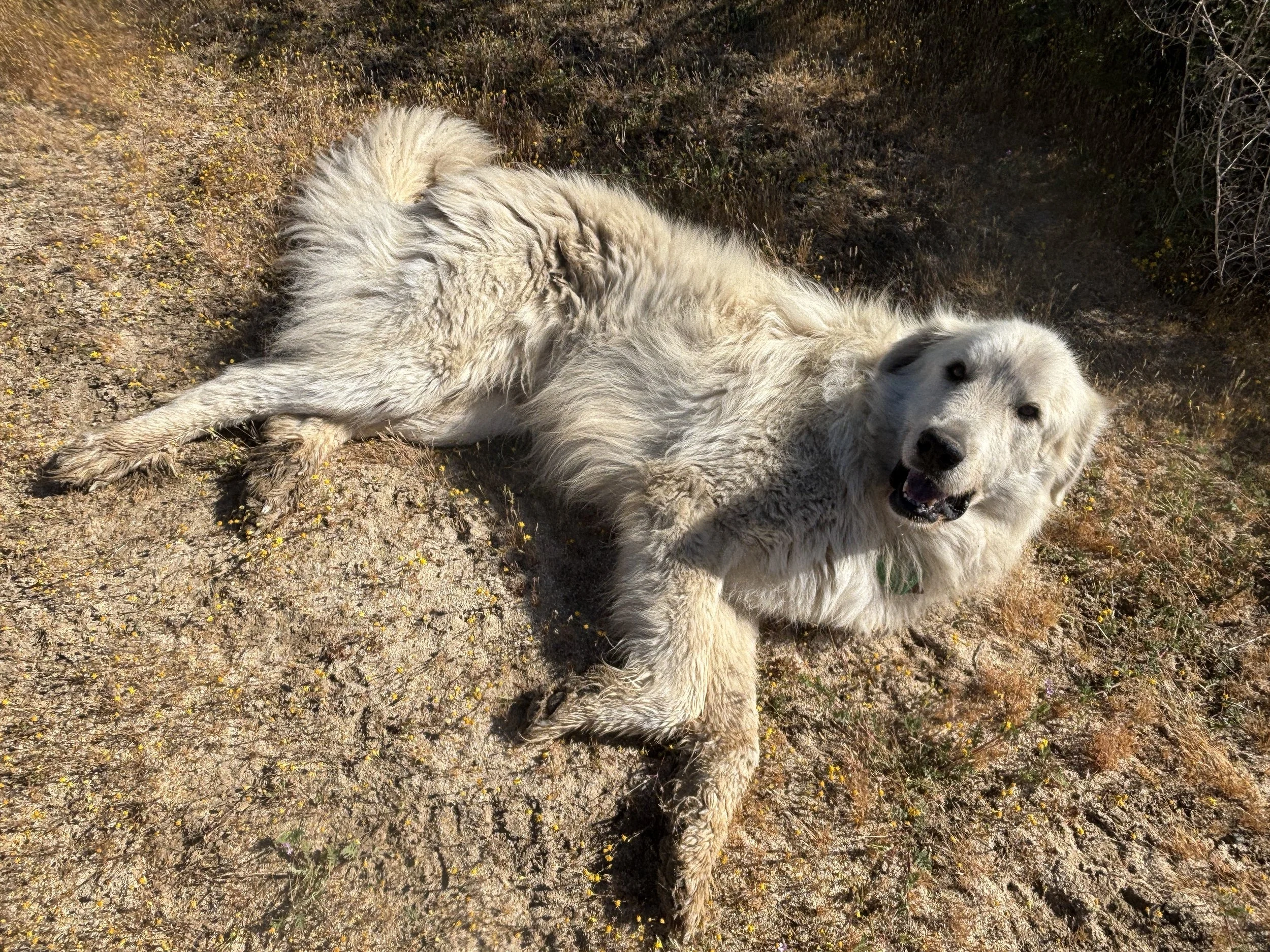
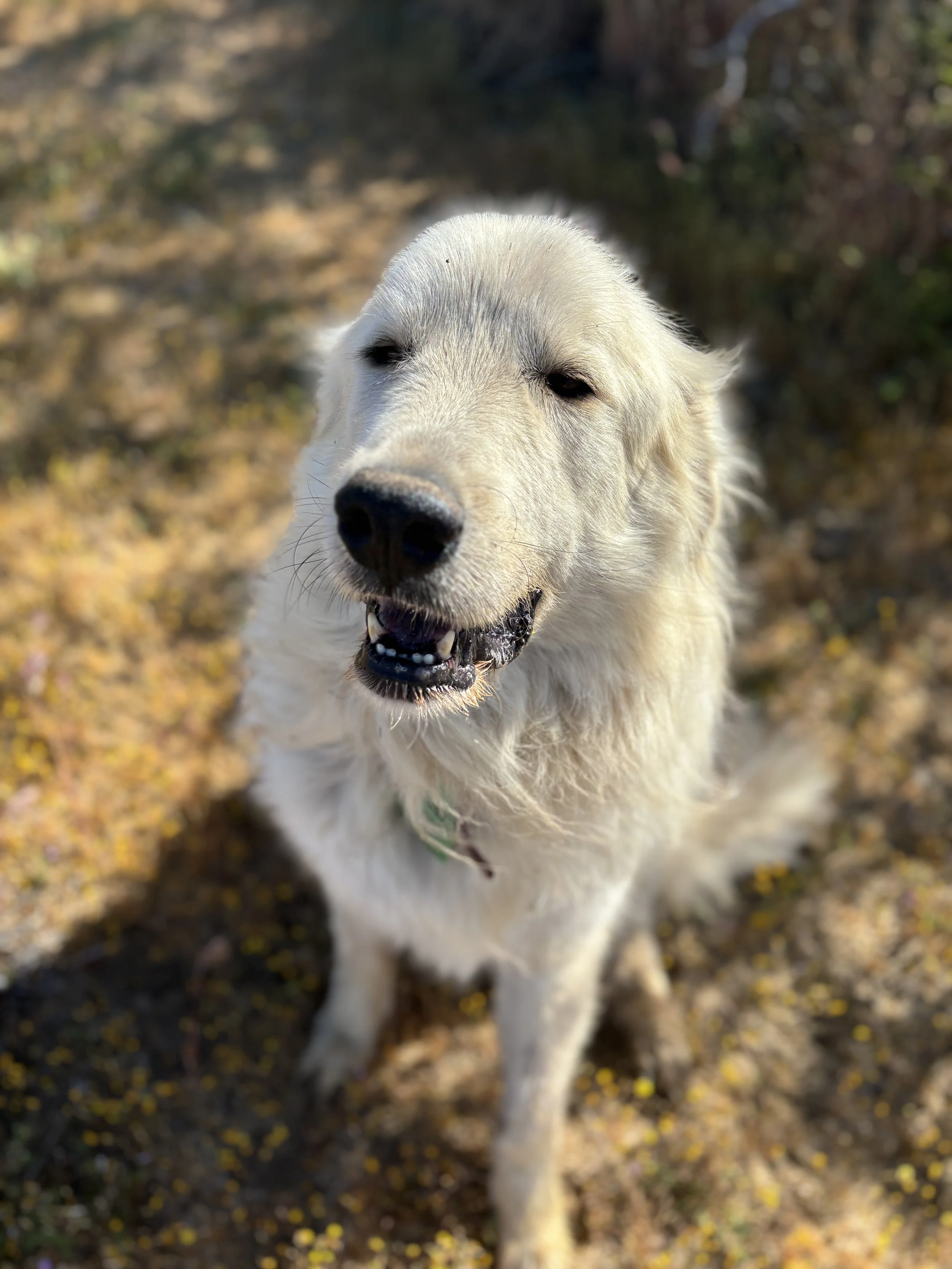
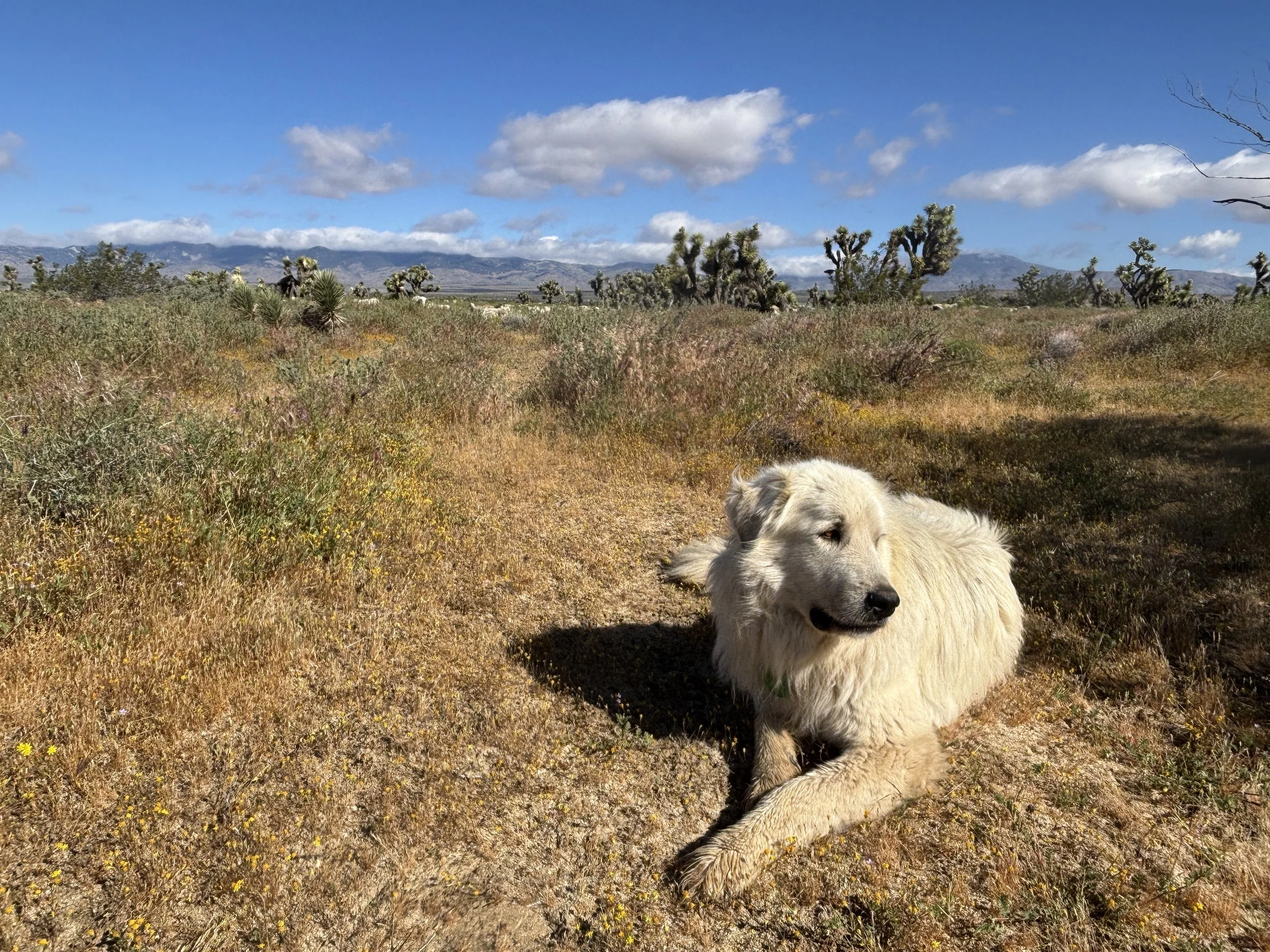
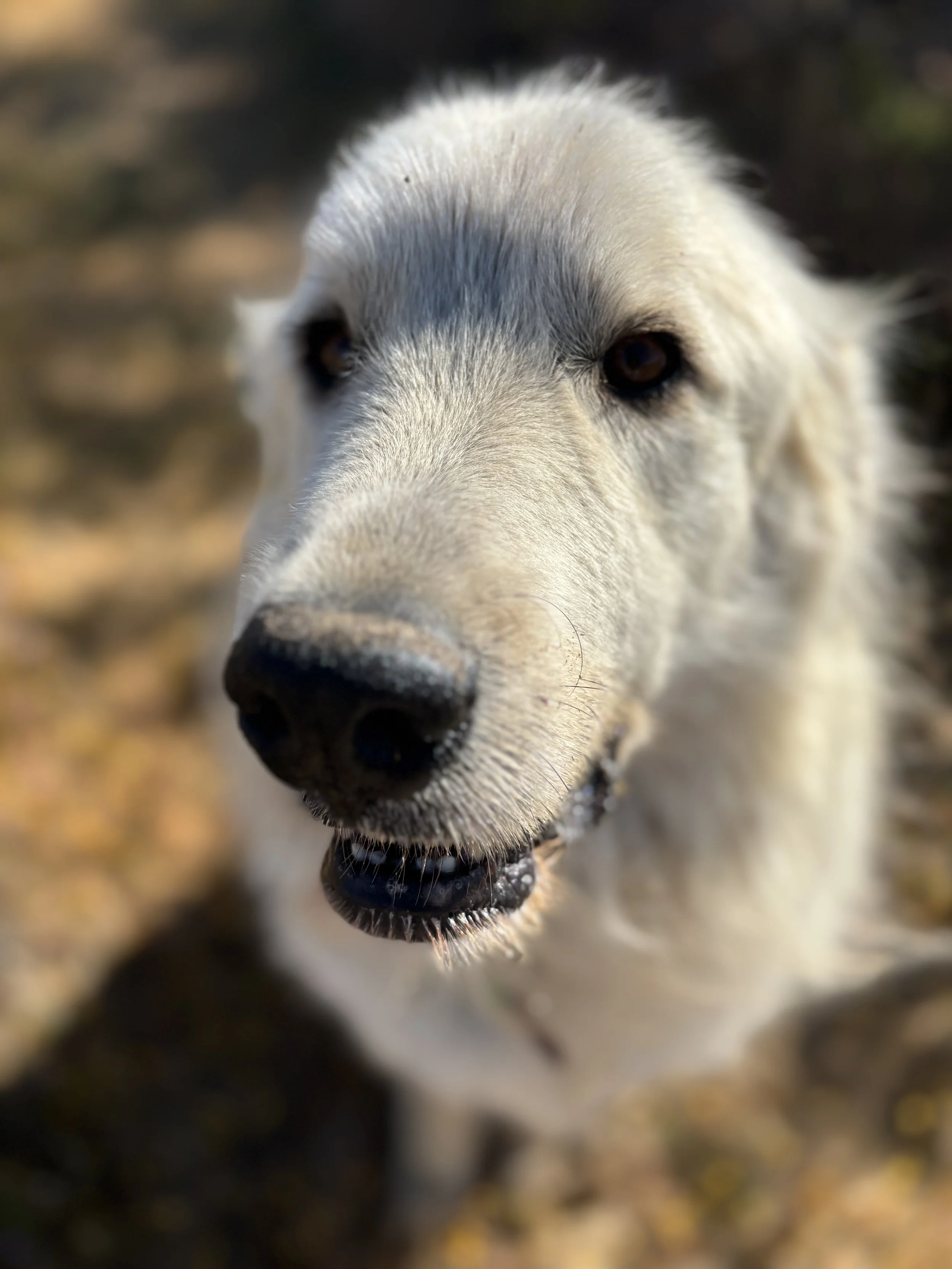
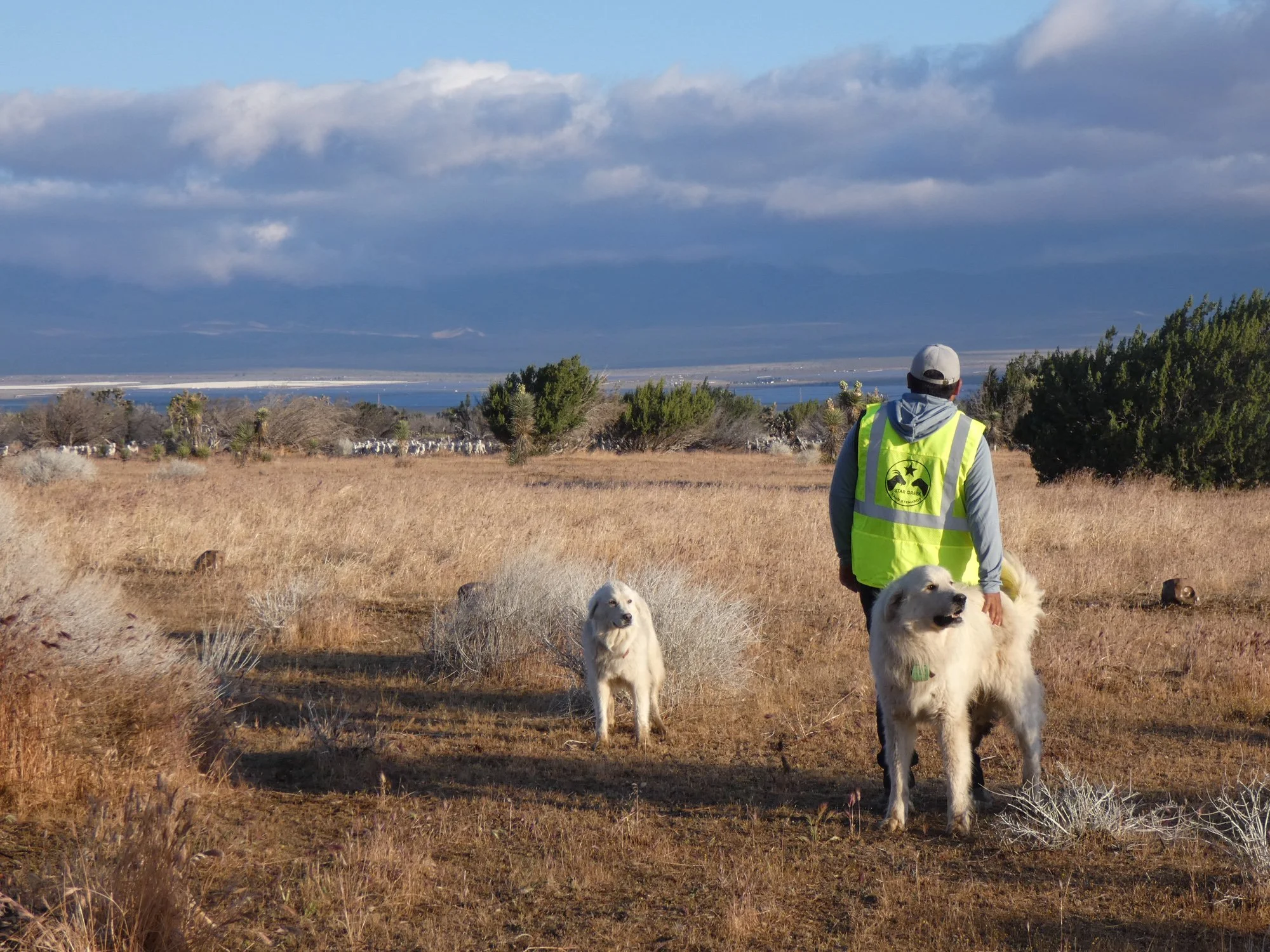
Dogs are used in two different ways during the process. There are the livestock guardian dogs. Usually large, fluffy white dogs such as Great Pyrenees or Akbash that can weigh up to 150 pounds, these dogs live only to protect the herd. This protective nature has been bred over hundreds of years. It is ingrained in them. They travel and live with the herd and are highly attuned to the environment around the animals protecting them from predators in the wild. Then there are the herding dogs.
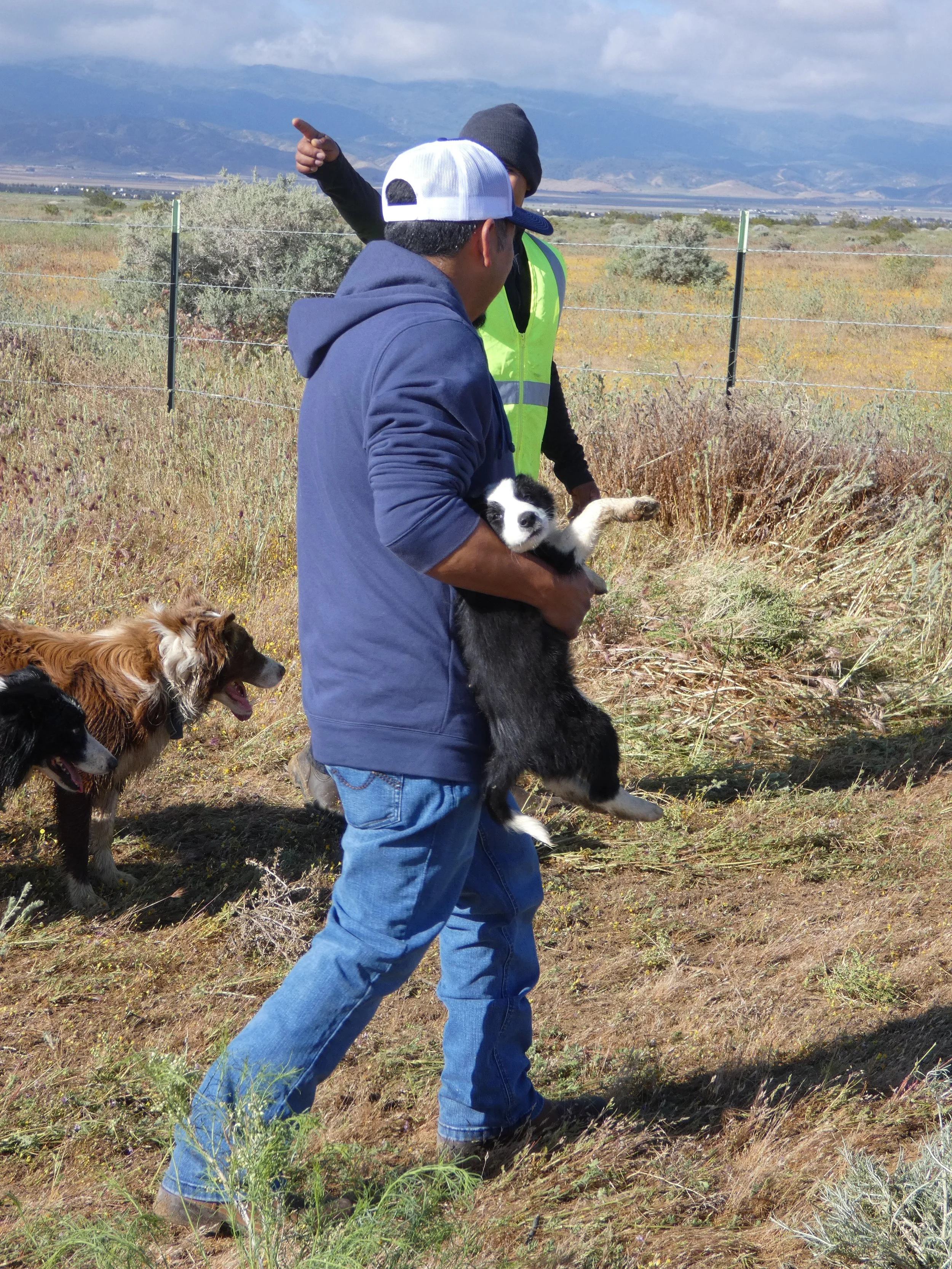
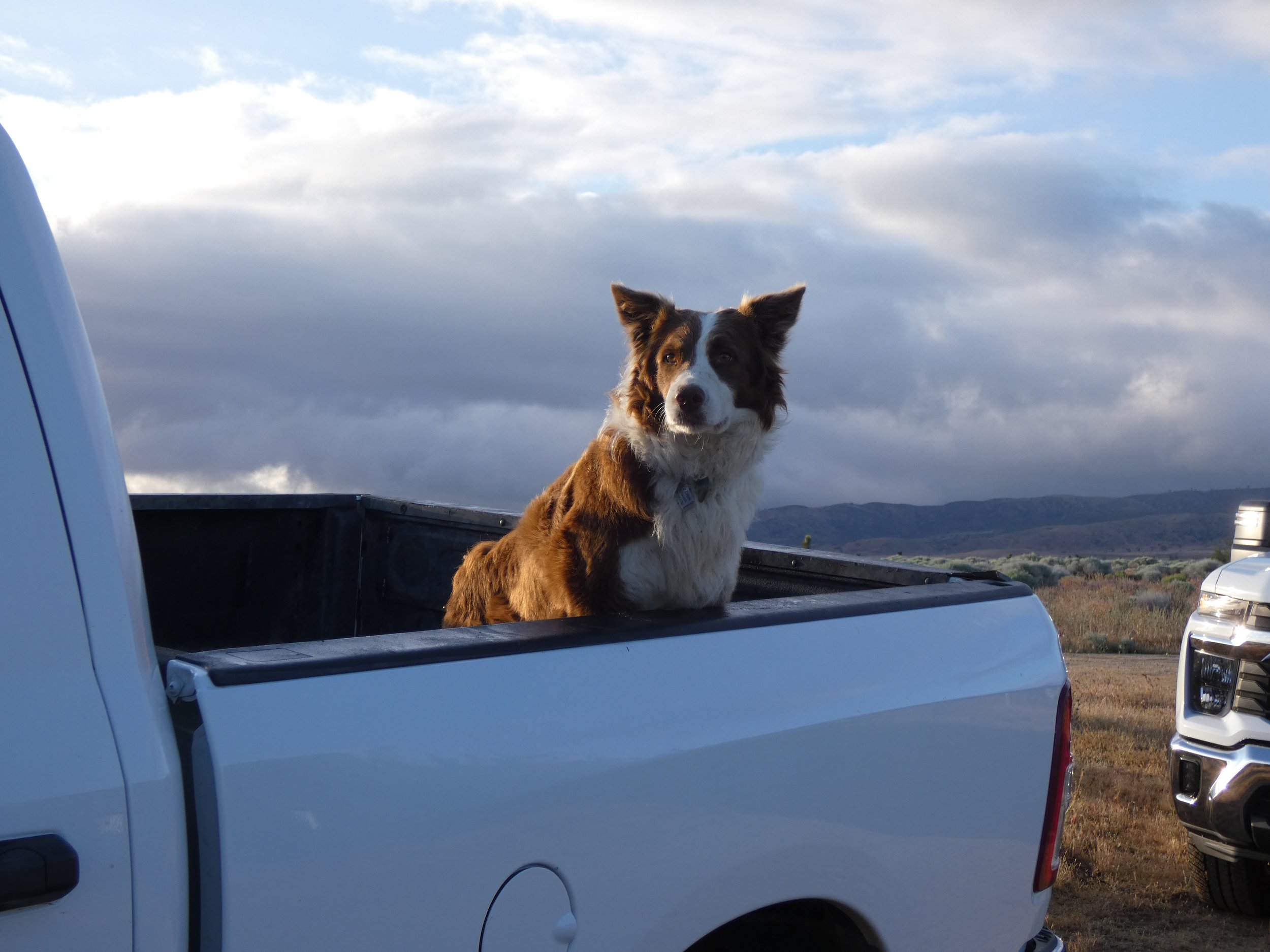
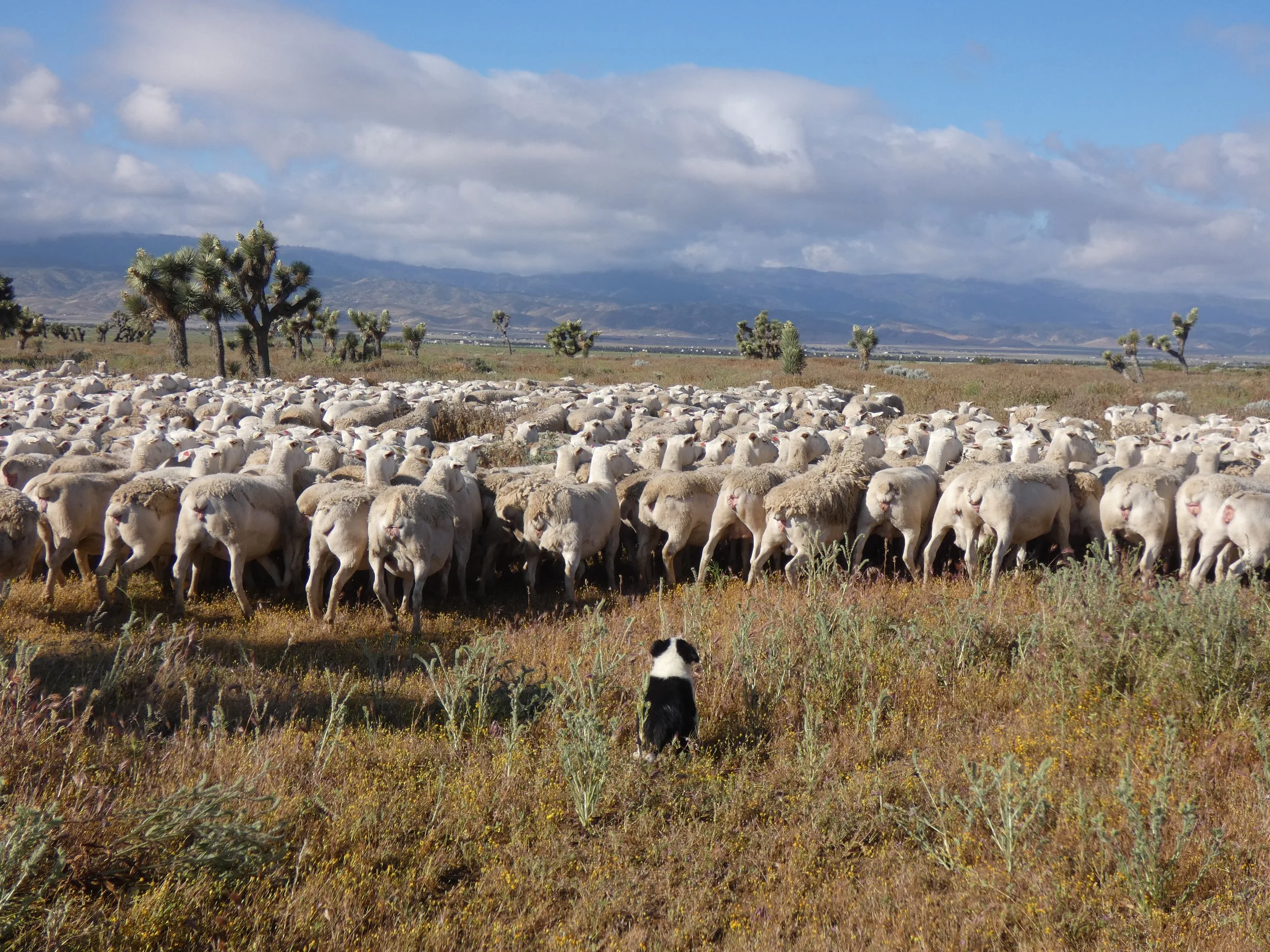
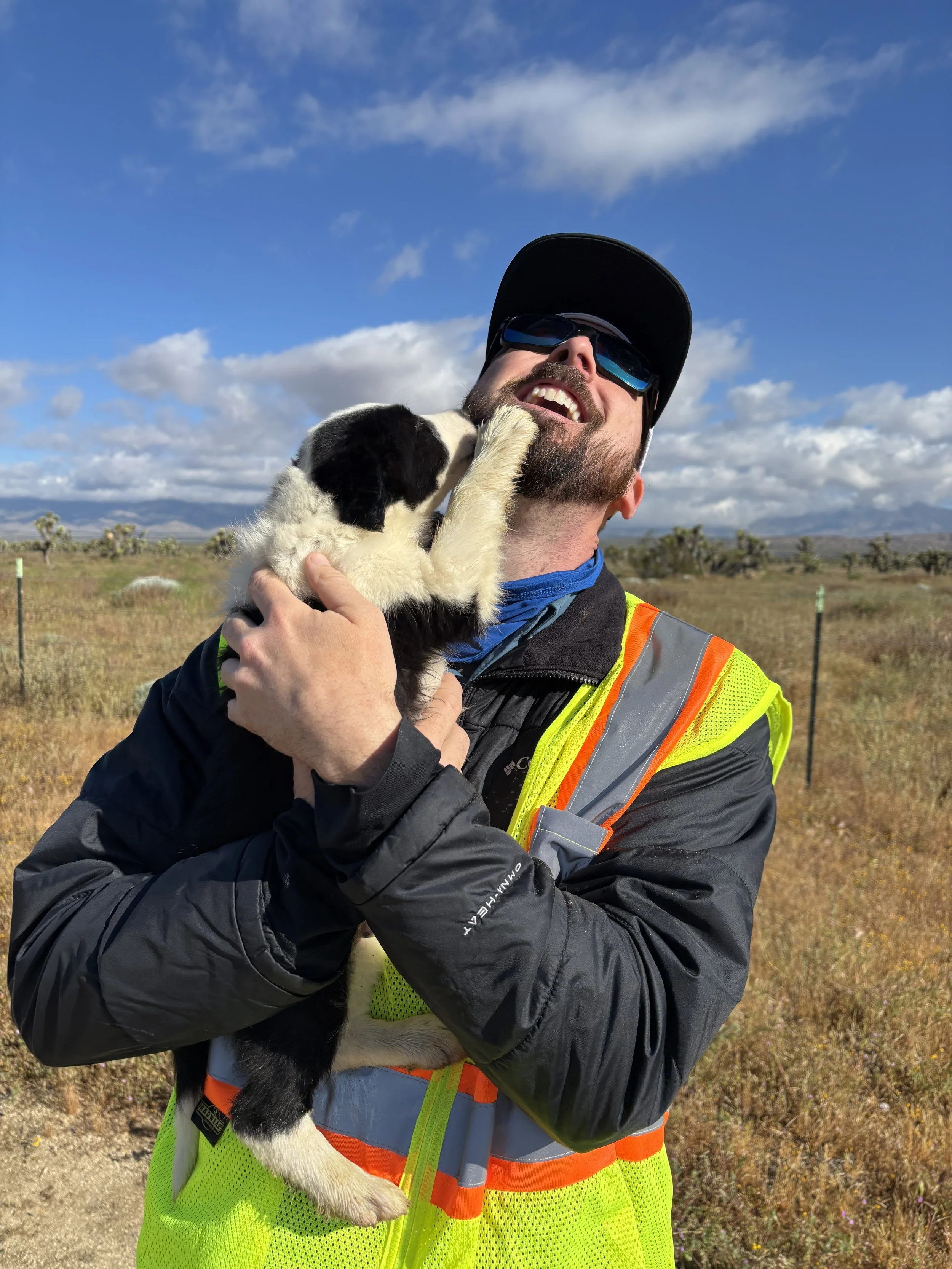
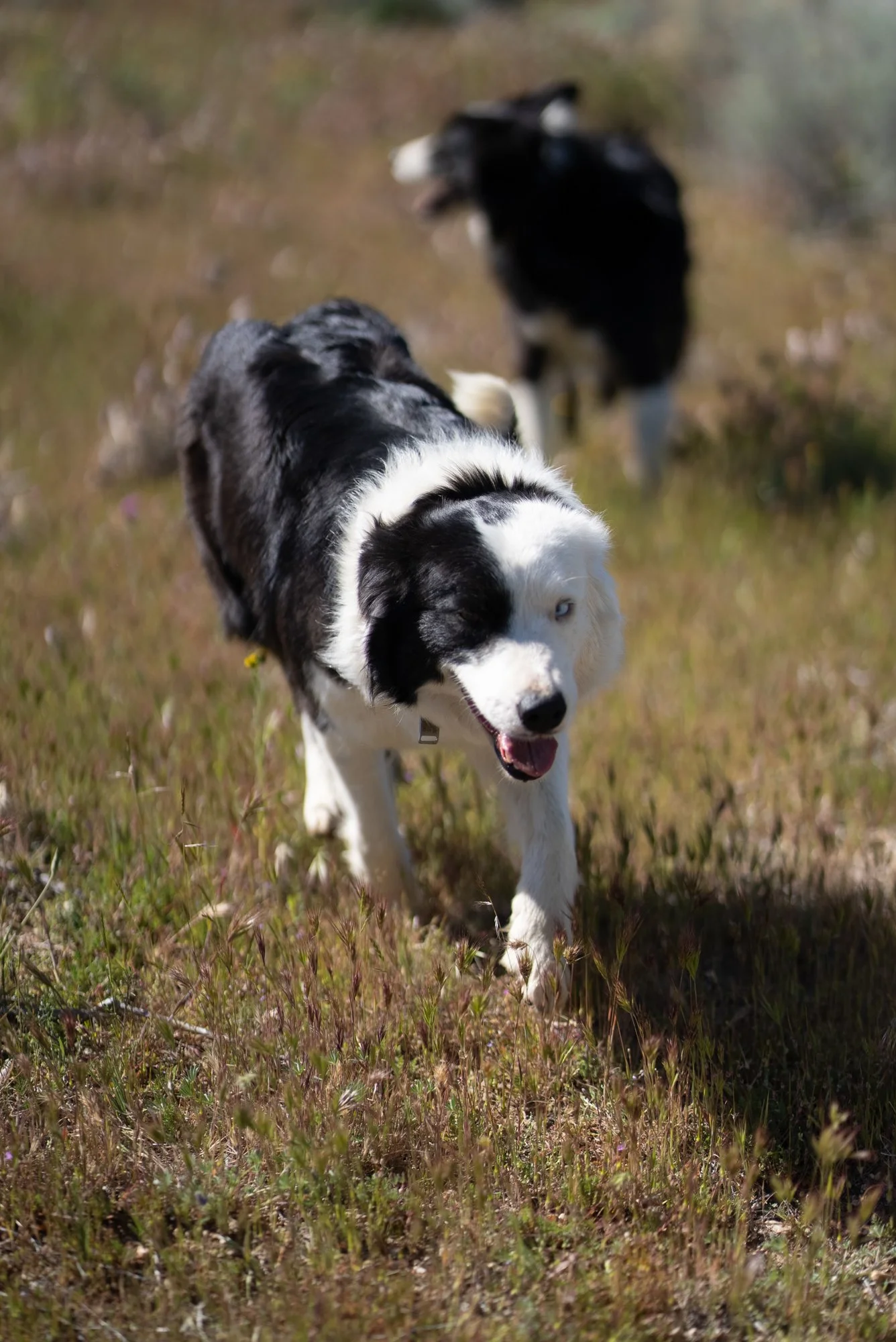
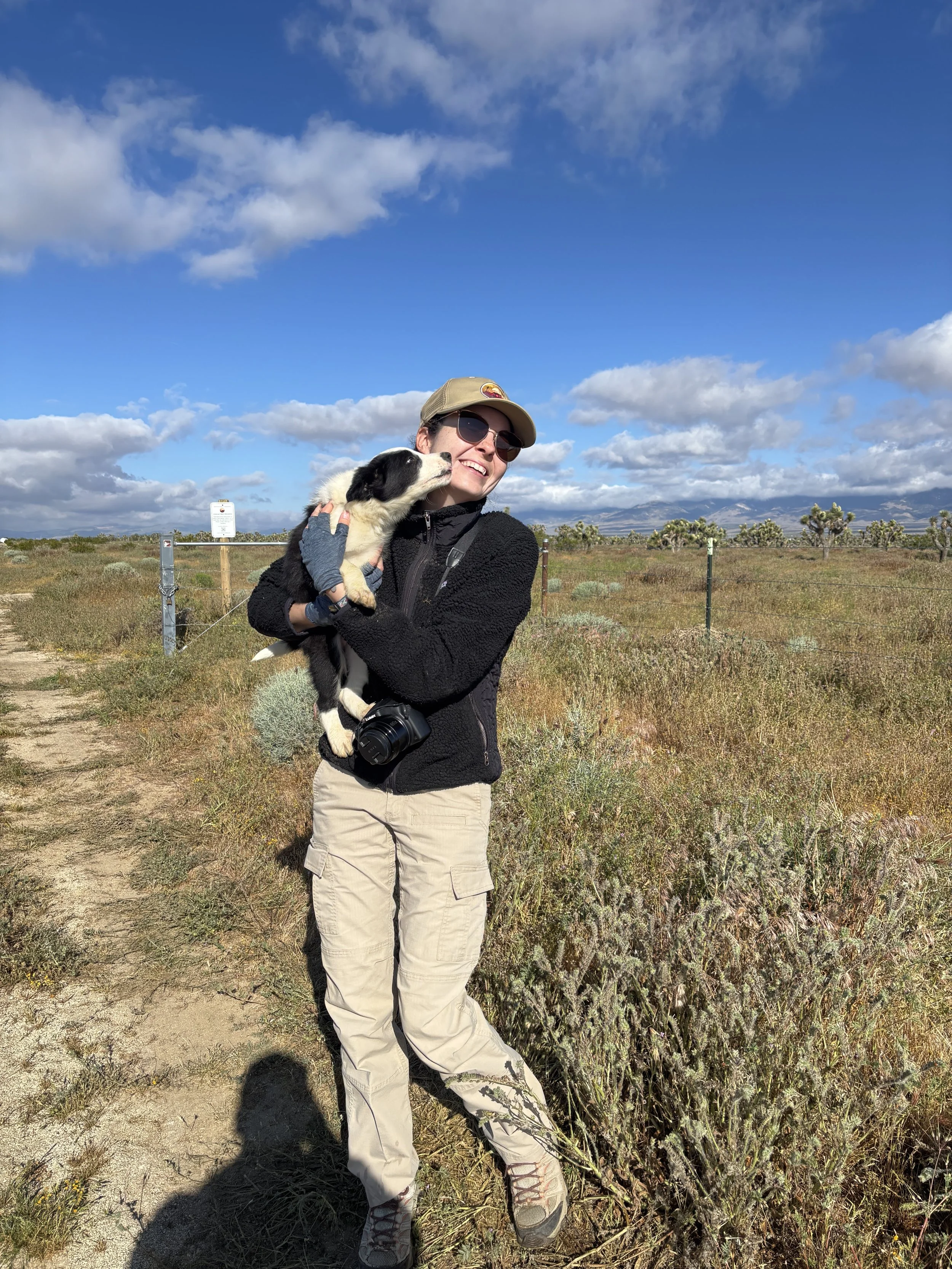
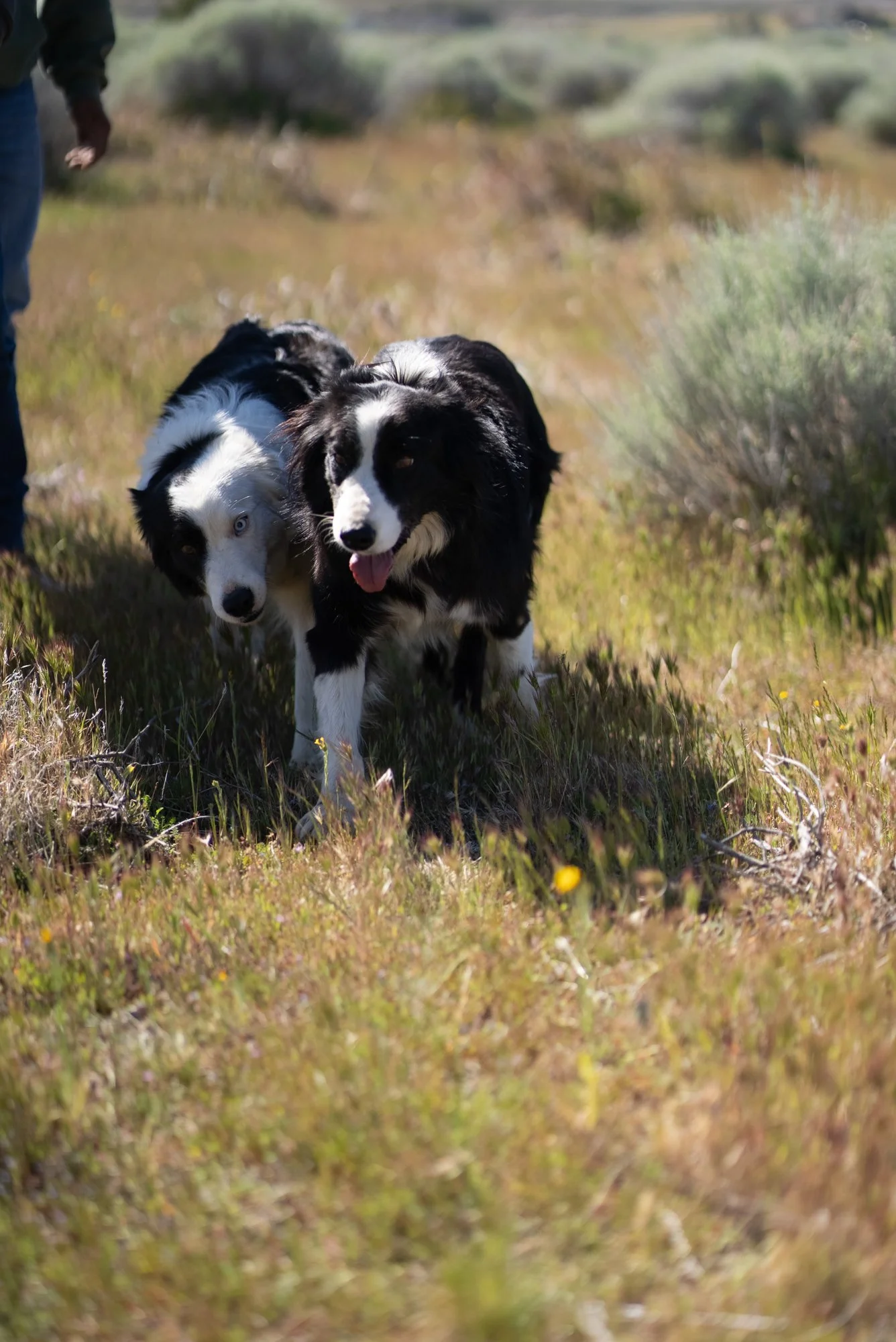
These are usually Border Collies, highly intelligent dogs with a drive to herd animals. Completely in tune with their handlers, working as an extension of the herder directing them. They have been bred for generations to do the specific task of moving animals in tune with their human handlers. While most herding dogs nip and bite at the heels of animals to move them, Border Collies also employ what is known as “the stare” to control sheep. They use a low-crouched, intense stare to apply psychological pressure, guiding animals precisely. It’s pretty amazing to watch!
At Transition Habitat Conservancy, we believe this project sets a vital precedent for modern fire mitigation by working with the land to promote climate resiliency. By holding a CDFW 2081(a) permit, we are also uniquely authorized to manage these delicate landscapes in close proximity to protected species like the Western Joshua tree. While we are labeled as "land managers," it is really the land that manages us. It is our job to listen to it and adjust accordingly. We cannot preserve these special places and leave them unattended. Western expansion over the last few hundred years has altered these California landscapes in ways to which they are not inherently adapted. The intense swings between extreme precipitation, extreme drought, combined with the intense pressures of invasive plants and almost two centuries of imposed fire suppression have altered these landscapes and their natural fire regimes. The steps we have taken show that we don't have to choose between fire safety and ecological integrity; we can achieve both through intentional, mindful action. We hope our work inspires other land managers to look for creative ways to care for these altered landscapes, to add to their toolbox and consider how sustainable, specialized strategies can protect both our communities and the natural heritage of the Mojave.