Lasers, Ravens, and the High-Tech Mission to Save the Desert Tortoise
What do 3D-printed laser pistols, video game mechanics, and the Mojave Desert have in common? They are all part of a cutting-edge conservation effort to save the desert tortoise.
Through a powerful partnership funded by a $2 million grant from the Wildlife Conservation Board, the Transition Habitat Conservancy (THC) and OrniLogic are teaming up to protect vulnerable tortoise populations. By using innovative, non-lethal deterrents, they are tackling one of the tortoise's biggest threats: the common raven.
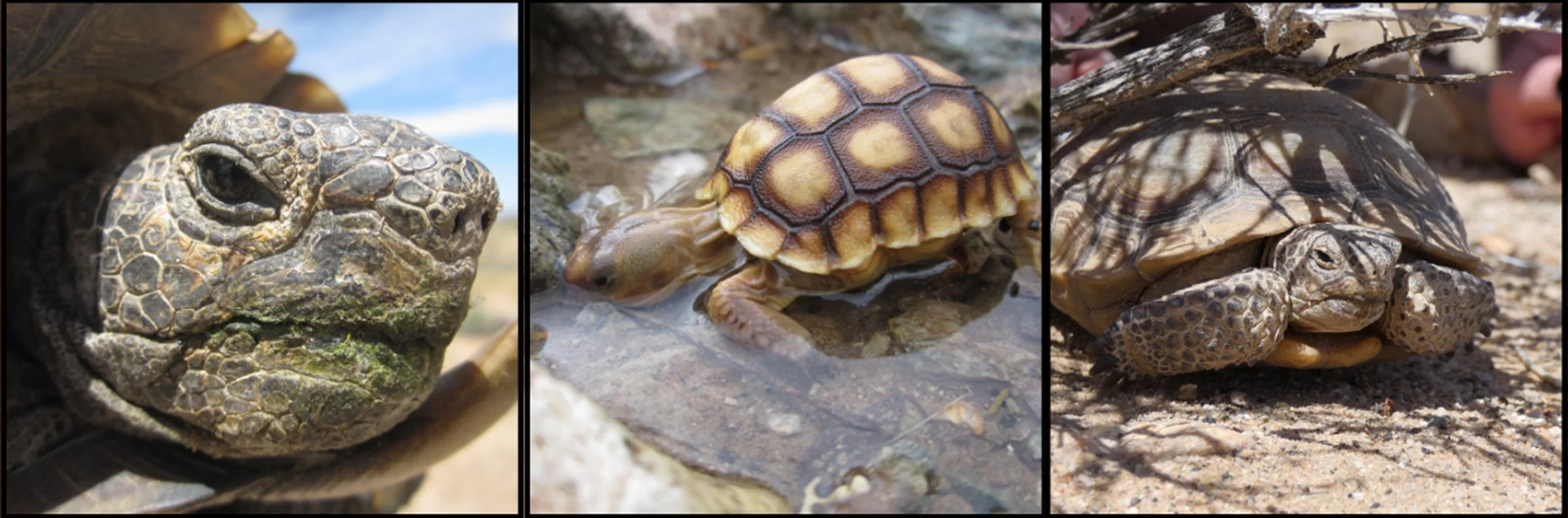
Here is a look at how this incredible technology is turning the tide for the desert tortoise.
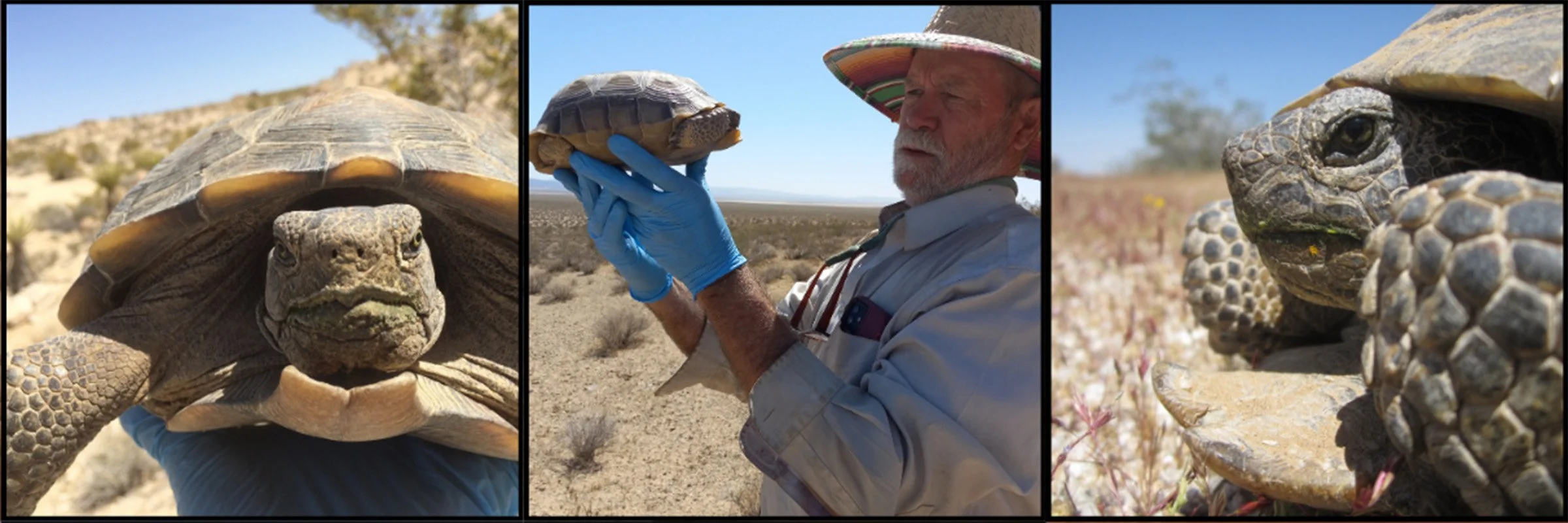
The Threat: A Raven Population Boom
Ravens are native to the Mojave Desert and serve a vital ecosystem purpose as scavengers—nature's recyclers. However, human population growth has dramatically altered the landscape. Human-created food and water sources have subsidized the raven population, causing their numbers to skyrocket to unnatural levels.
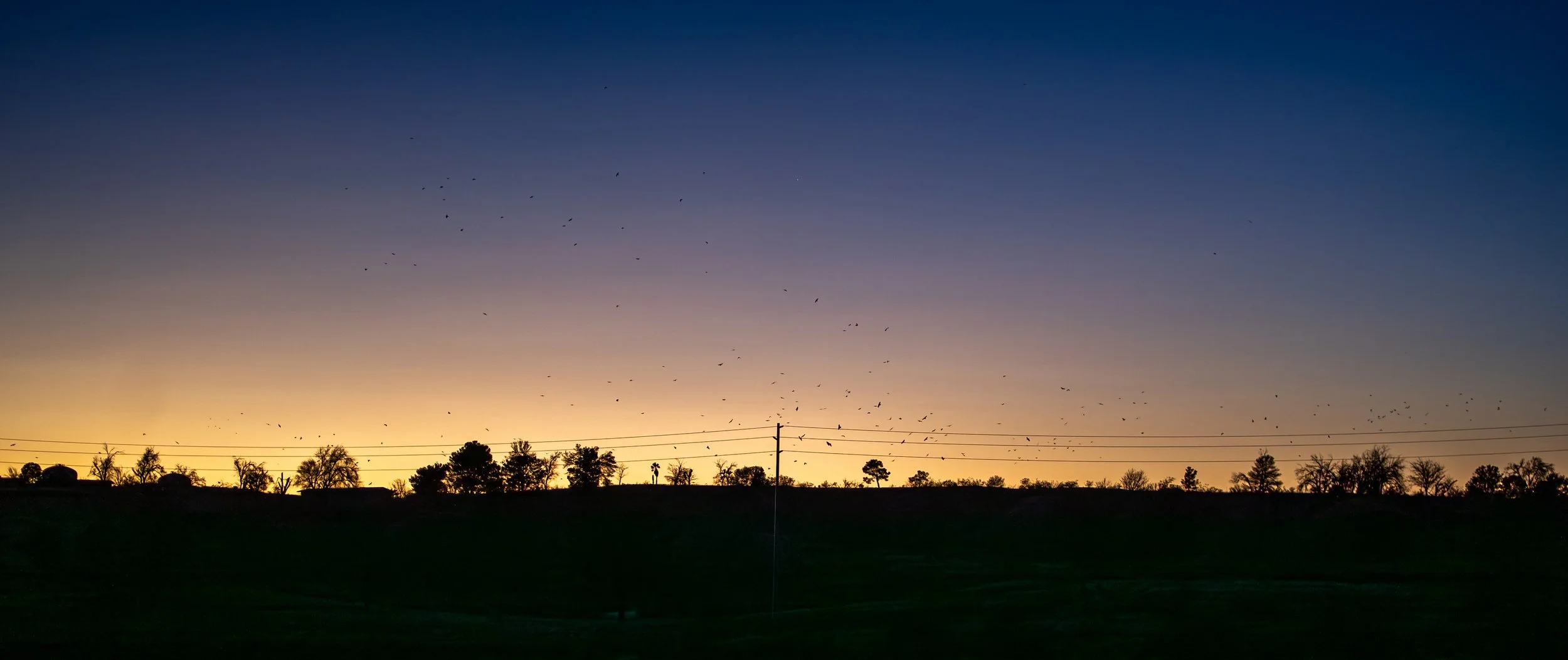
This population boom is devastating for the desert tortoise. Ravens are predators to baby tortoises (hatchlings). Because a hatchling’s bottom shell (plastron) is soft, ravens will flip them over to attack them. This predation has been a major contributor to the decline of the desert tortoise population.
The Solution: Gamifying Conservation with Green Lasers
To combat this, conservationists have turned to an incredibly effective, non-lethal tool: 1-watt green lasers.
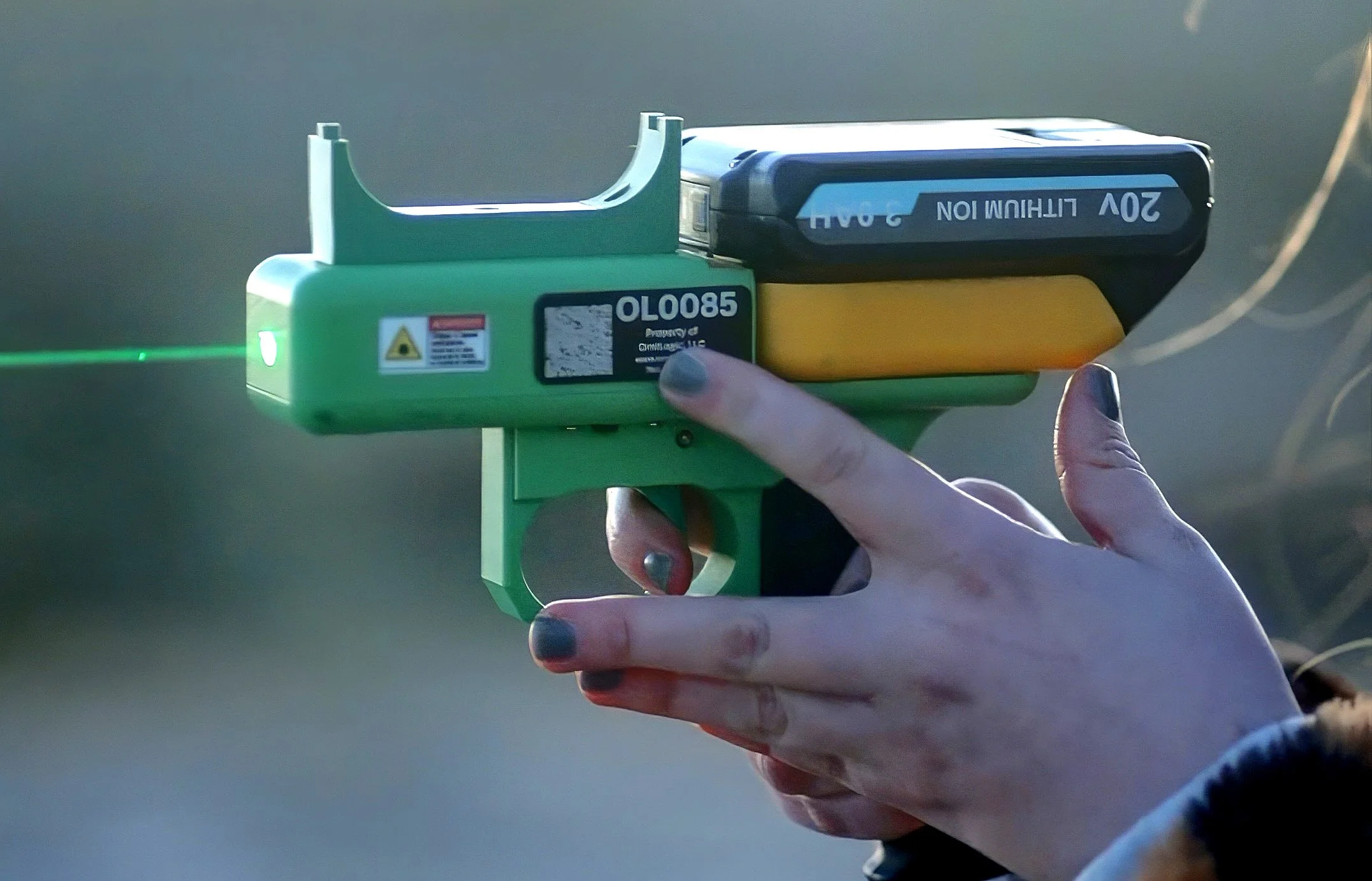
Designed and 3D-printed by engineer Ken Cobley, these handheld laser pistols have a range of up to 900 meters. They are highly effective at night when the beam is visible, but they also work during the day. The lasers are completely safe for the birds—operators are strictly trained to shoot the ground near the ravens, never directly at their faces or eyes.
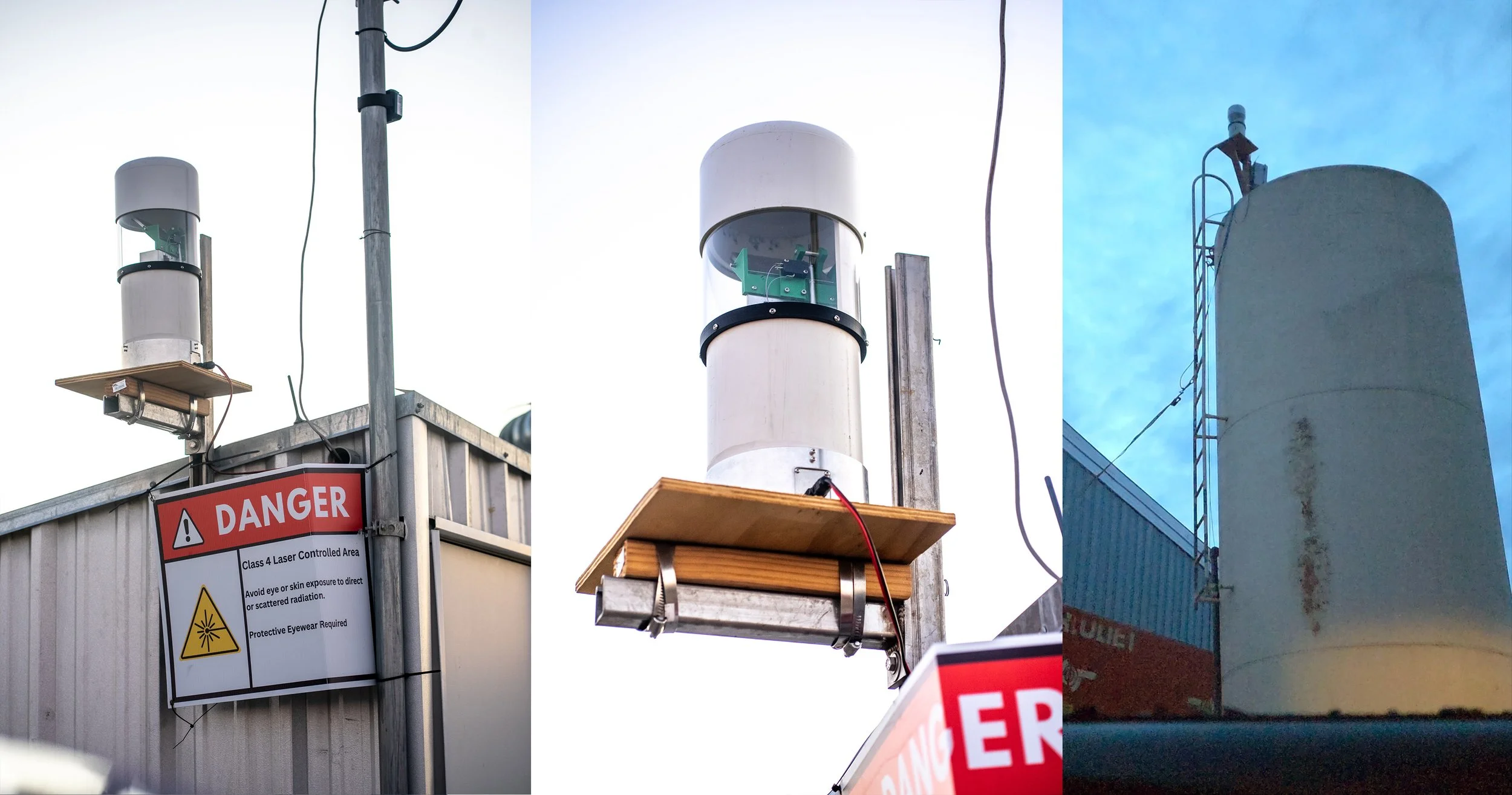
The technology doesn't stop at handheld devices. The team is also utilizing "smart lasers" operated from computer screens. The ultimate goal? Gamification. * Accessible Conservation: By allowing users to pan, tilt, zoom, and fire the laser from a computer, the team hopes to turn raven deterrence into an accessible "video game" format.
Fun and Impactful: Operators can protect an endangered species remotely, without harming the birds they are driving away—a total win-win.
How It Works: Targeting Subsidy and Roost Sites
To effectively manage the raven population, the team targets two distinct types of locations where ravens gather.

The Power of Mob Mentality
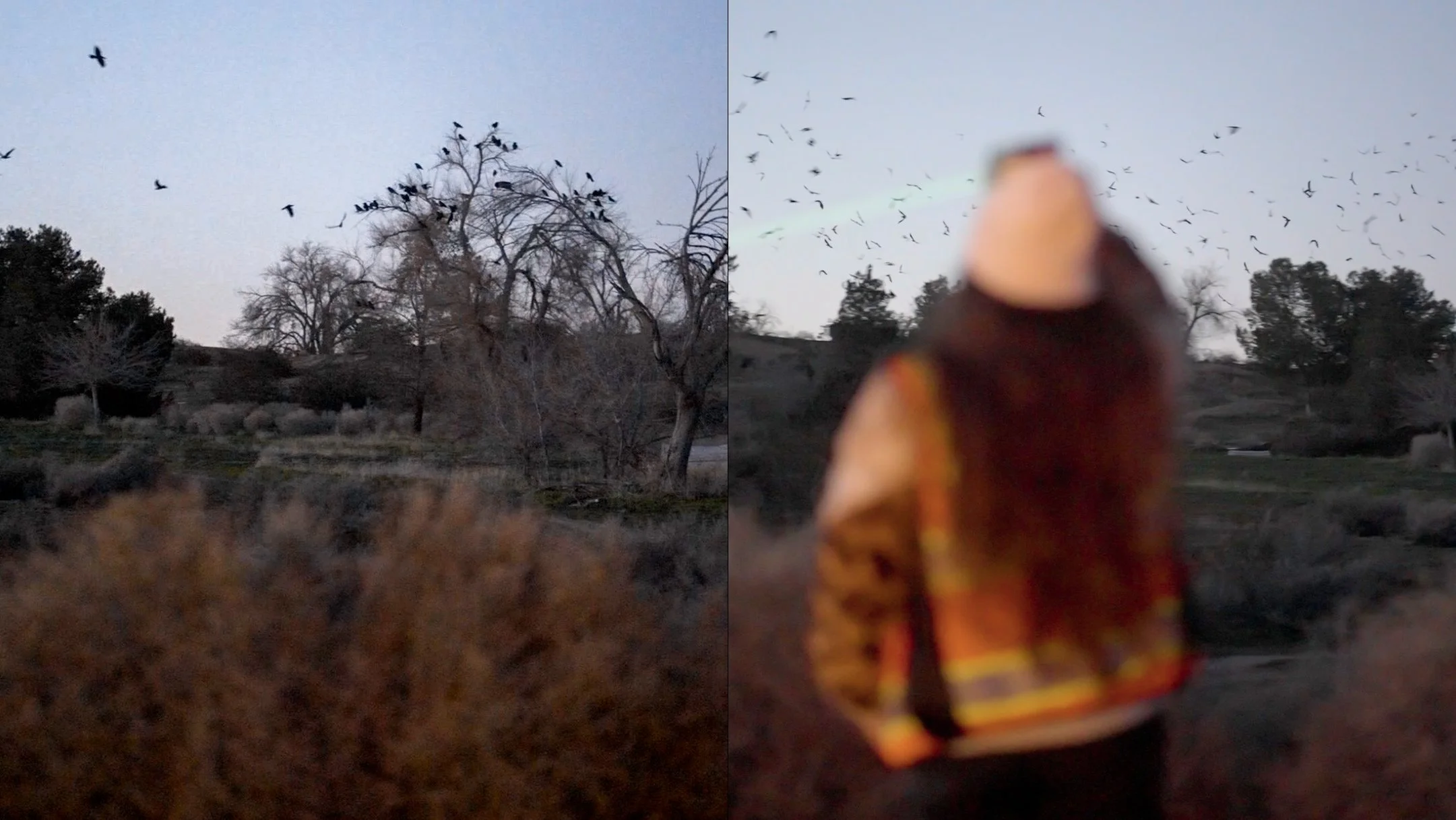
The laser strategy relies heavily on raven psychology. Ravens have a strong "mob mentality." When the team arrives on-site, they do a pre-count of the birds. Once the lasering begins, it only takes one raven seeing the beam to sound an alarm call. This triggers a domino effect, and within an hour and a half to two hours, the ravens will evacuate the site in massive numbers.
The "Black Egg" Logo
The team is also experimenting with psychological association. At lasered sites, they place a "black egg" logo. Over time, the highly intelligent ravens begin to associate that specific symbol with the annoying green lasers. The long-term goal is that the logo alone will act as a deterrent, keeping ravens away without the need to fire a single laser.
Real Results and the Road Ahead
The results so far have been staggering. At the "Ravenville" roost in Victorville, the average count over the past year was 1,454 ravens. Following targeted laser sessions, a recent count showed absolutely zero ravens. At another active project site, overnight numbers dropped from 2,000 to just 412 in a single week.

The success of these lasers is just one piece of a much larger puzzle. Backed by the $2 million grant, Transition Habitat Conservancy and the OrniLogic team are catapulting their vision forward. Beyond lasers, they are:
Developing "technotorts" (high-tech tortoise decoys).
Creating active hydration techniques for the species.
Characterizing and triaging millions of acres of desert habitat to make finding and protecting these "needles in a haystack" much easier.
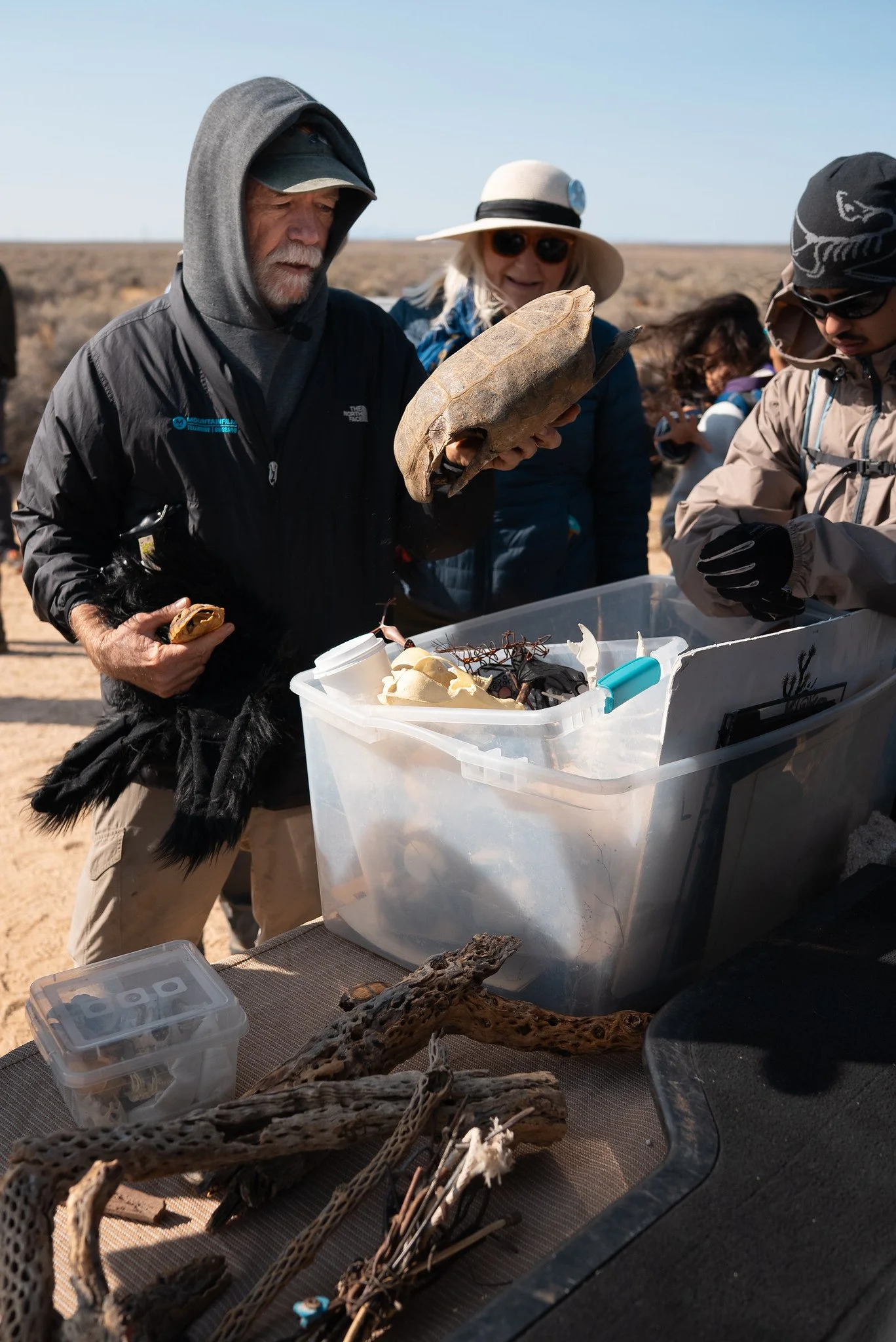
With passionate people at the helm and creative technology in their hands, the future is looking a lot brighter for the Mojave desert tortoise.