Collecting Seeds From Joshua Trees for Desert Habitat Restoration
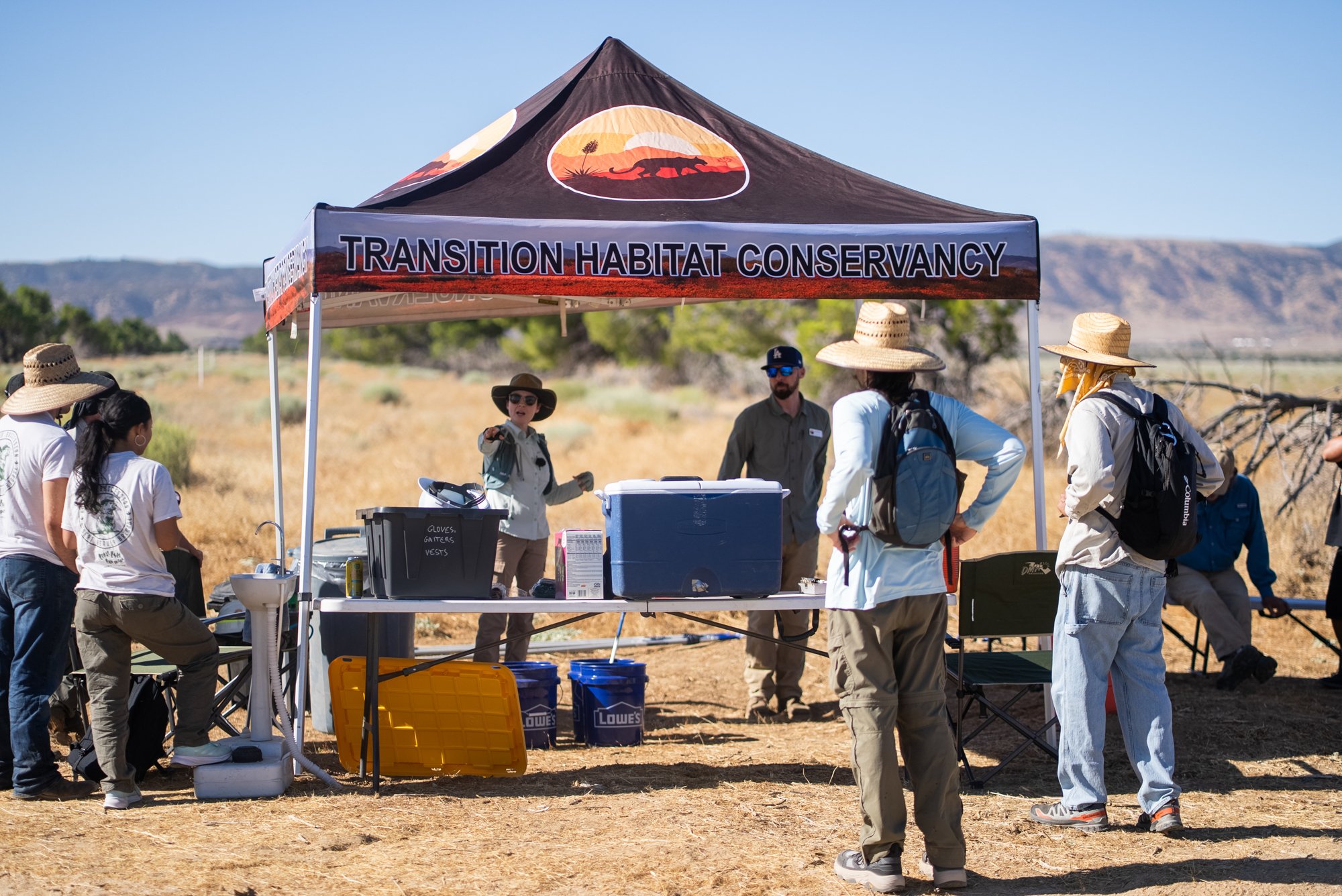
Transition Habitat Conservancy works directly with the California Department of Fish and Wildlife (CDFW) to protect the Western Joshua tree. It is currently a Candidate Species, meaning it receives the exact same strict legal protections as an Endangered Species while the State reviews its long-term status.
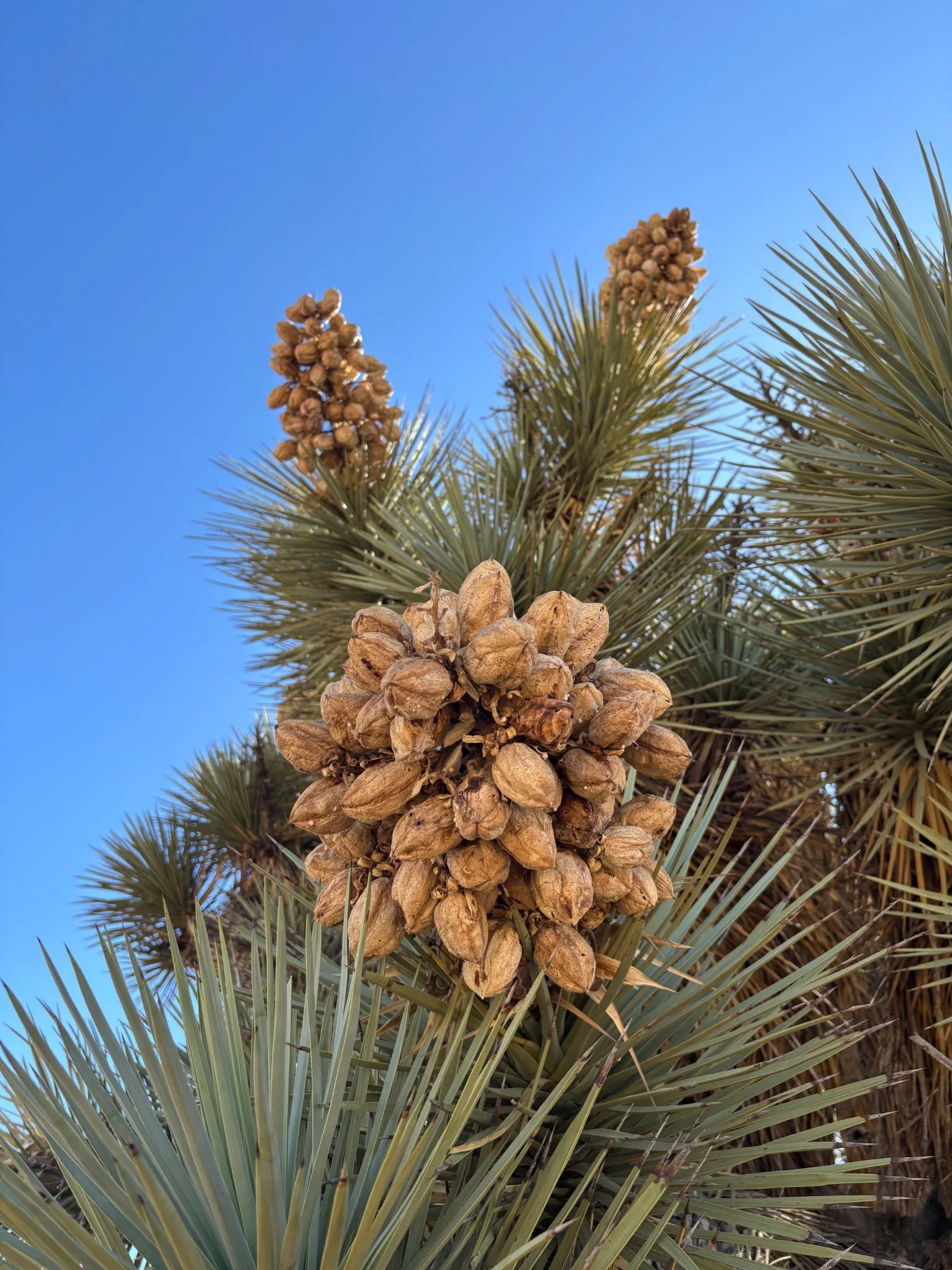
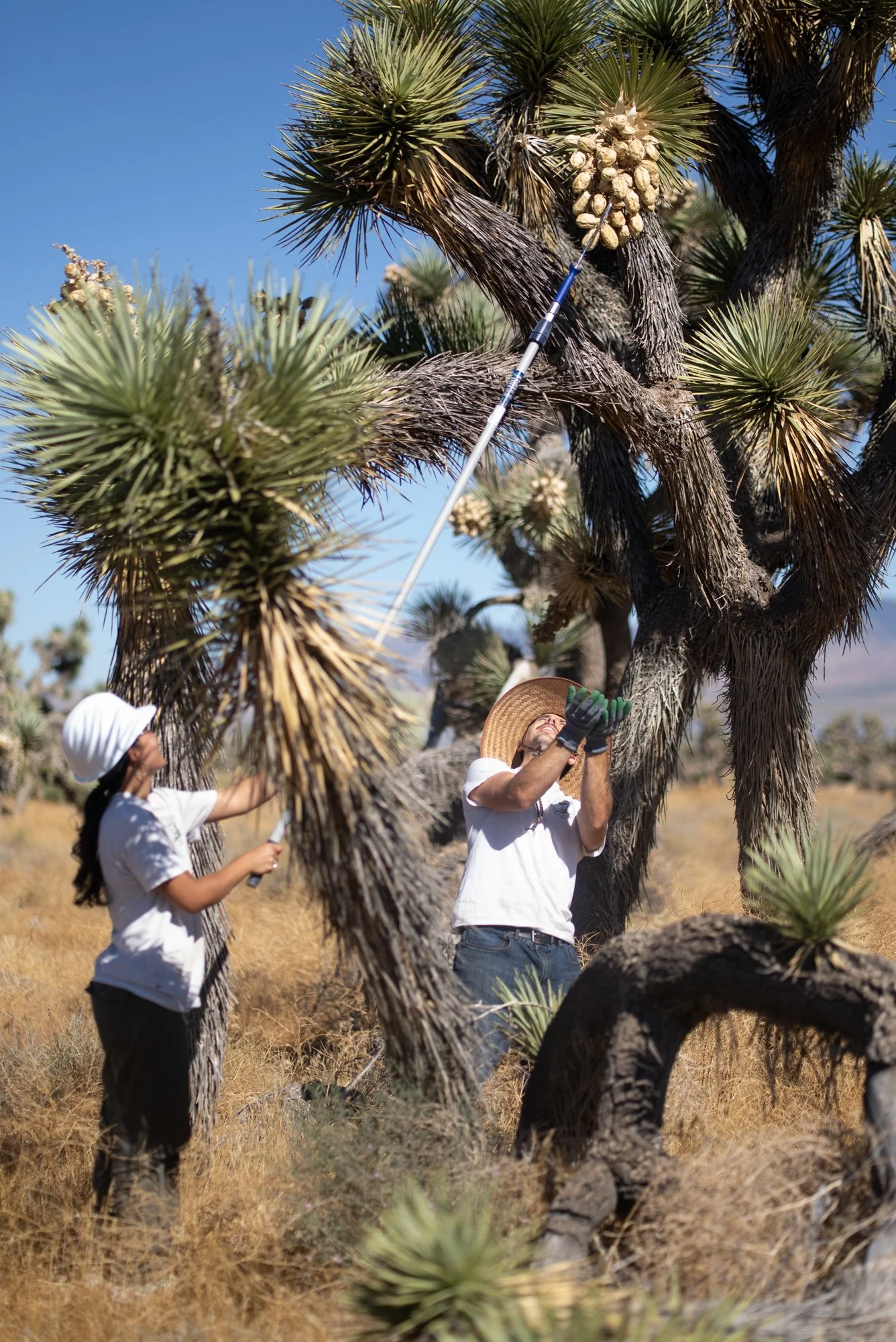
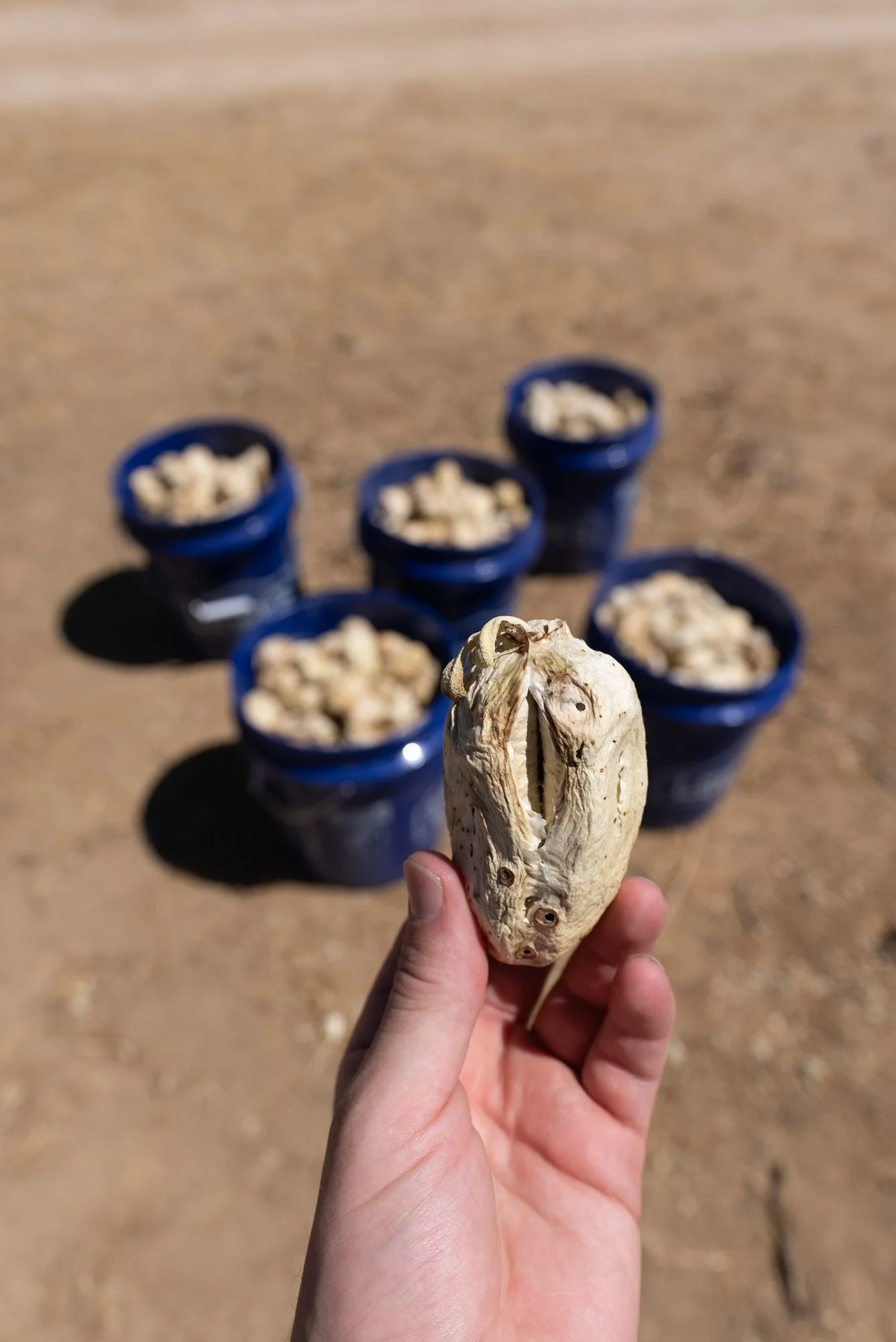
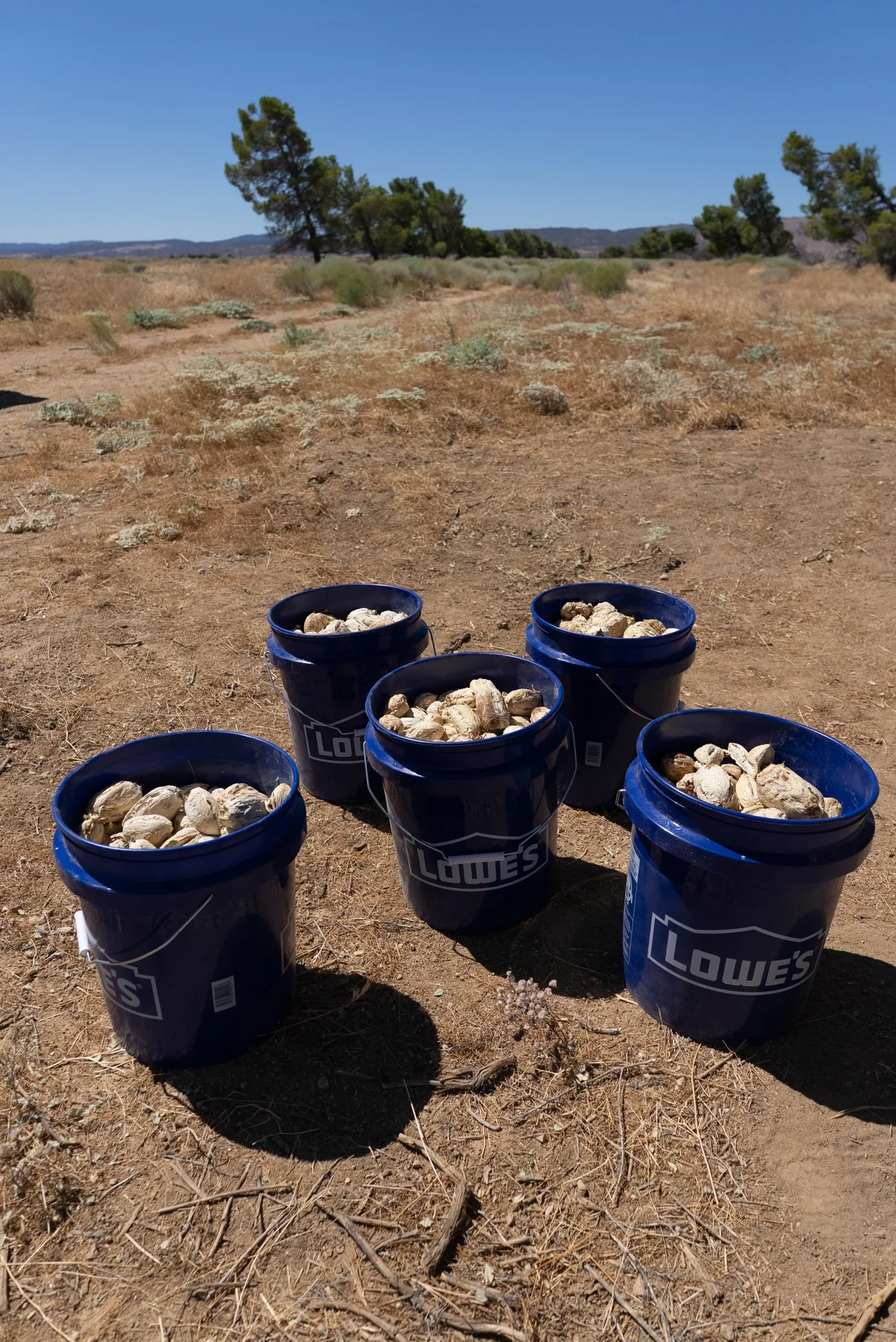
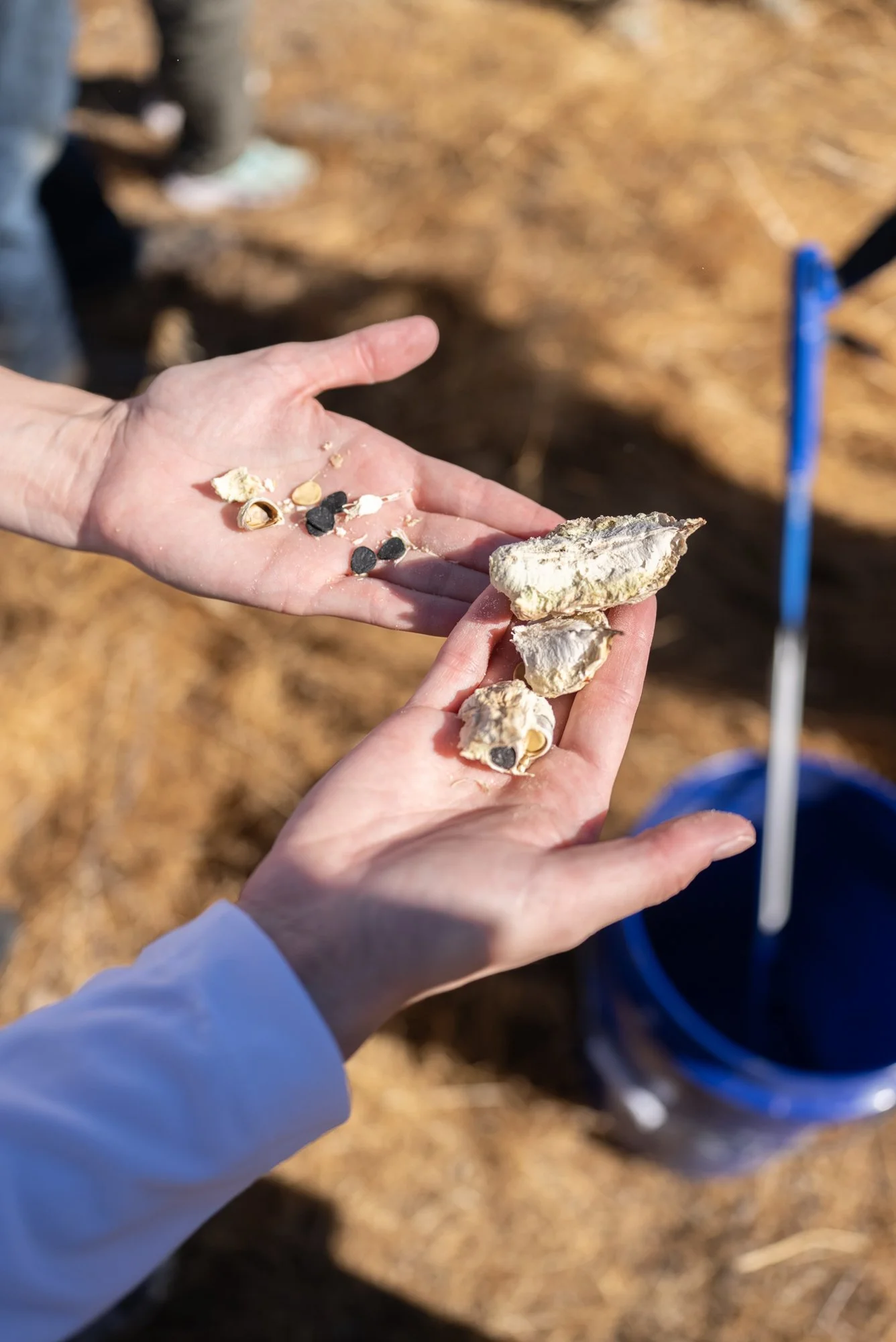
We have received exclusive, special permission from the CDFW to harvest these vital seed pods at our Portal Ridge Wildlife Preserve lands. Each giant seed pod holds dozens of flat seeds, containing 2.5 million years of evolutionary magic—and our hope for a climate-resilient future. The seeds we collect together will be used directly for desert habitat restoration and genetic seed banking (storing seeds for future genetic diversity).
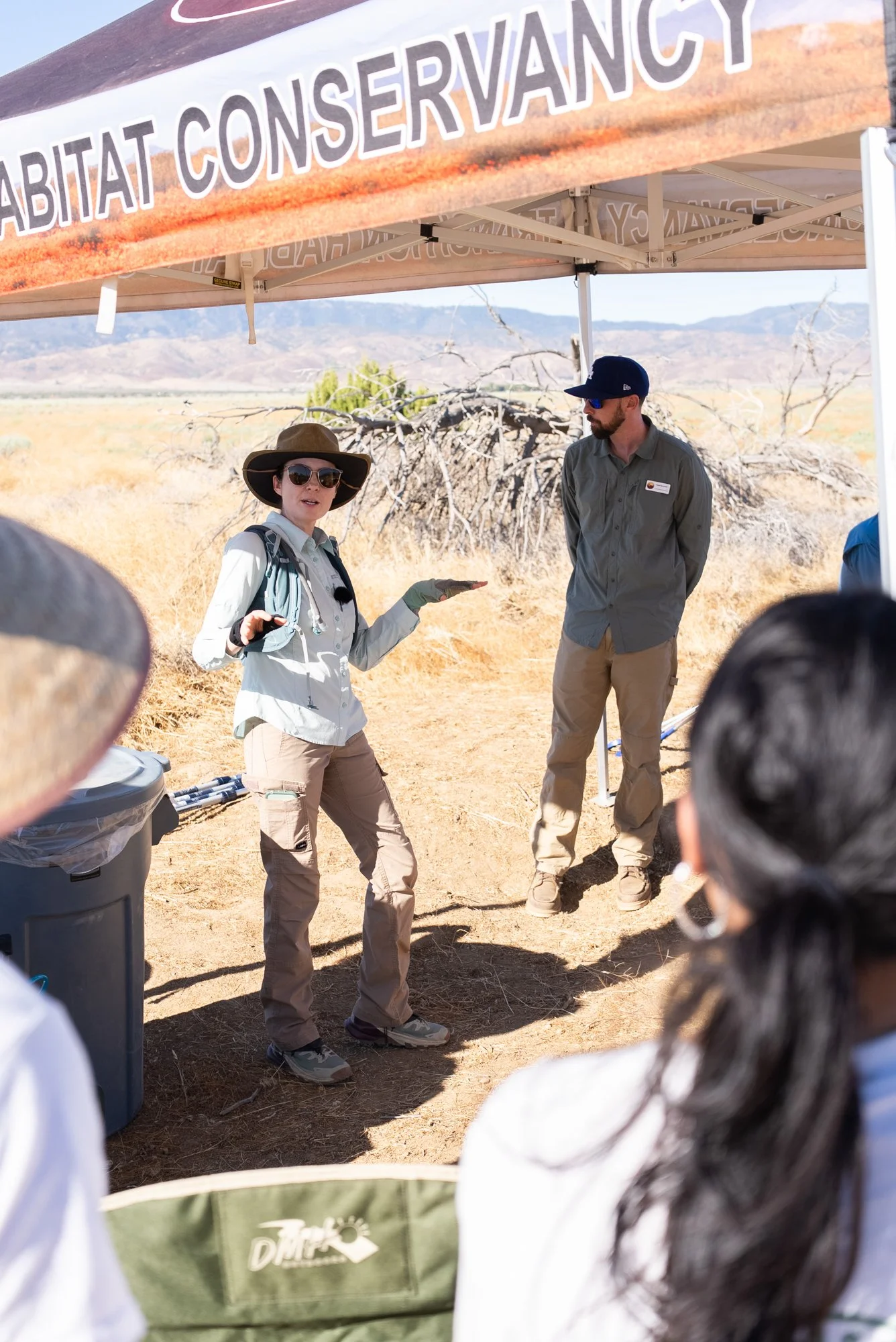
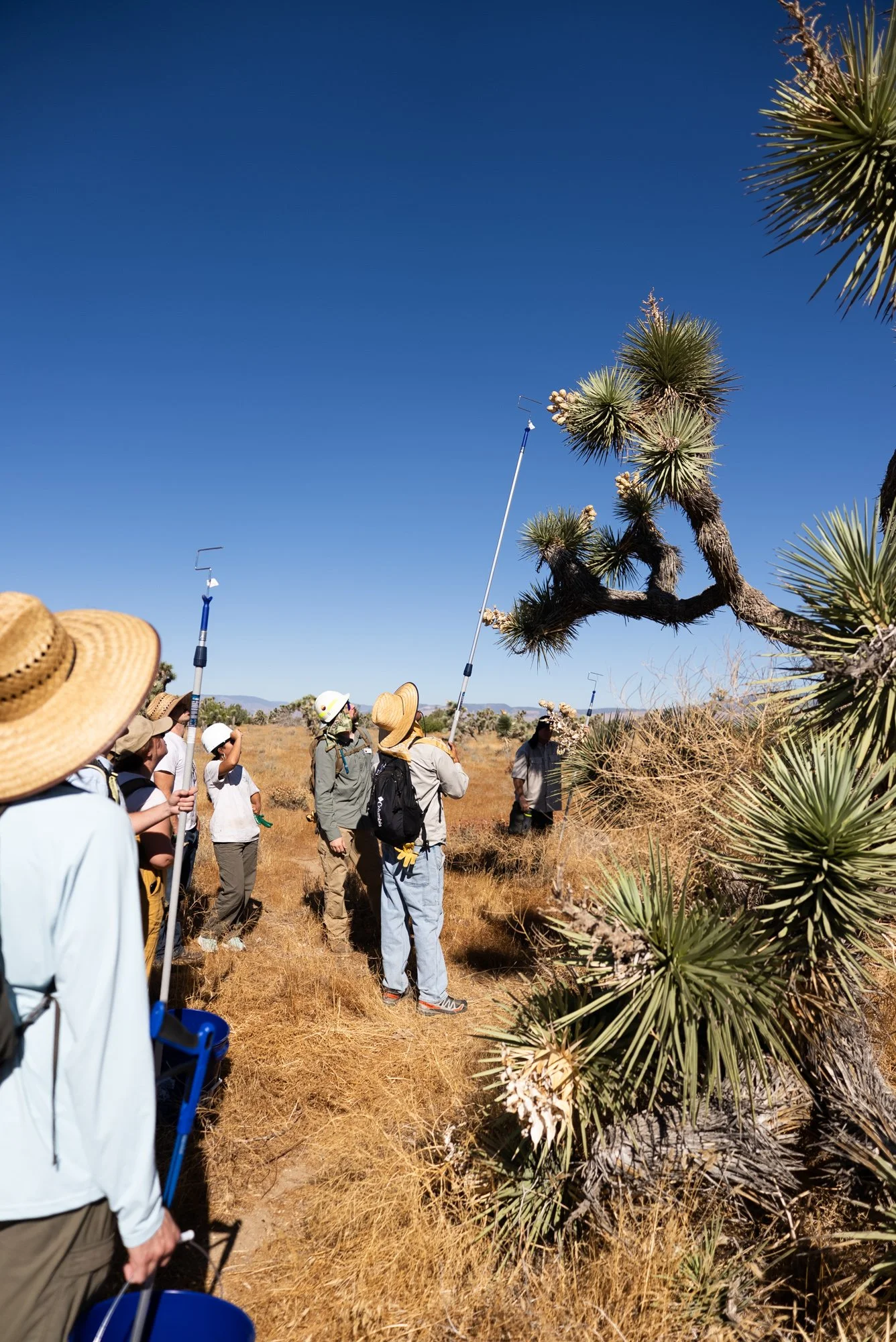
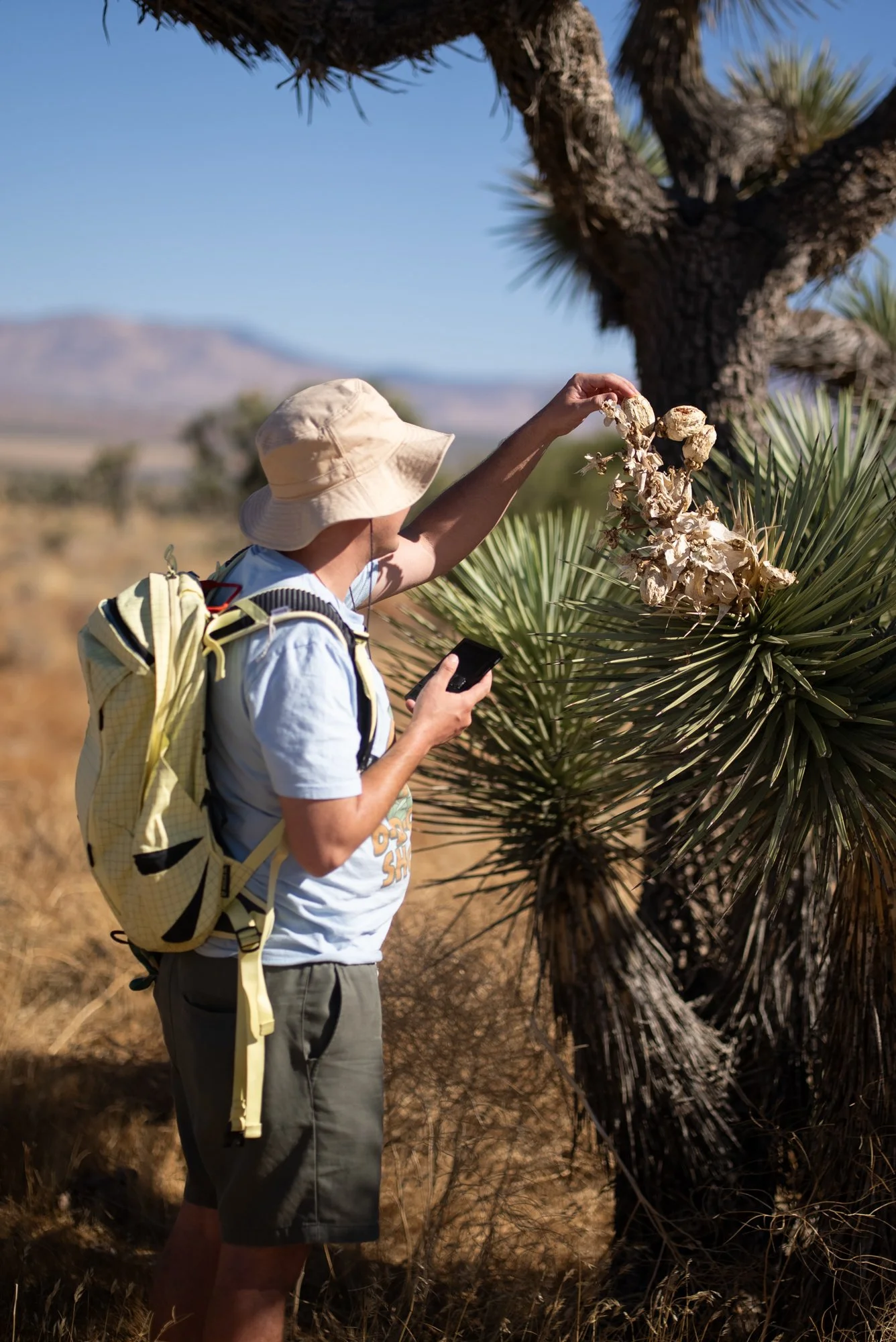
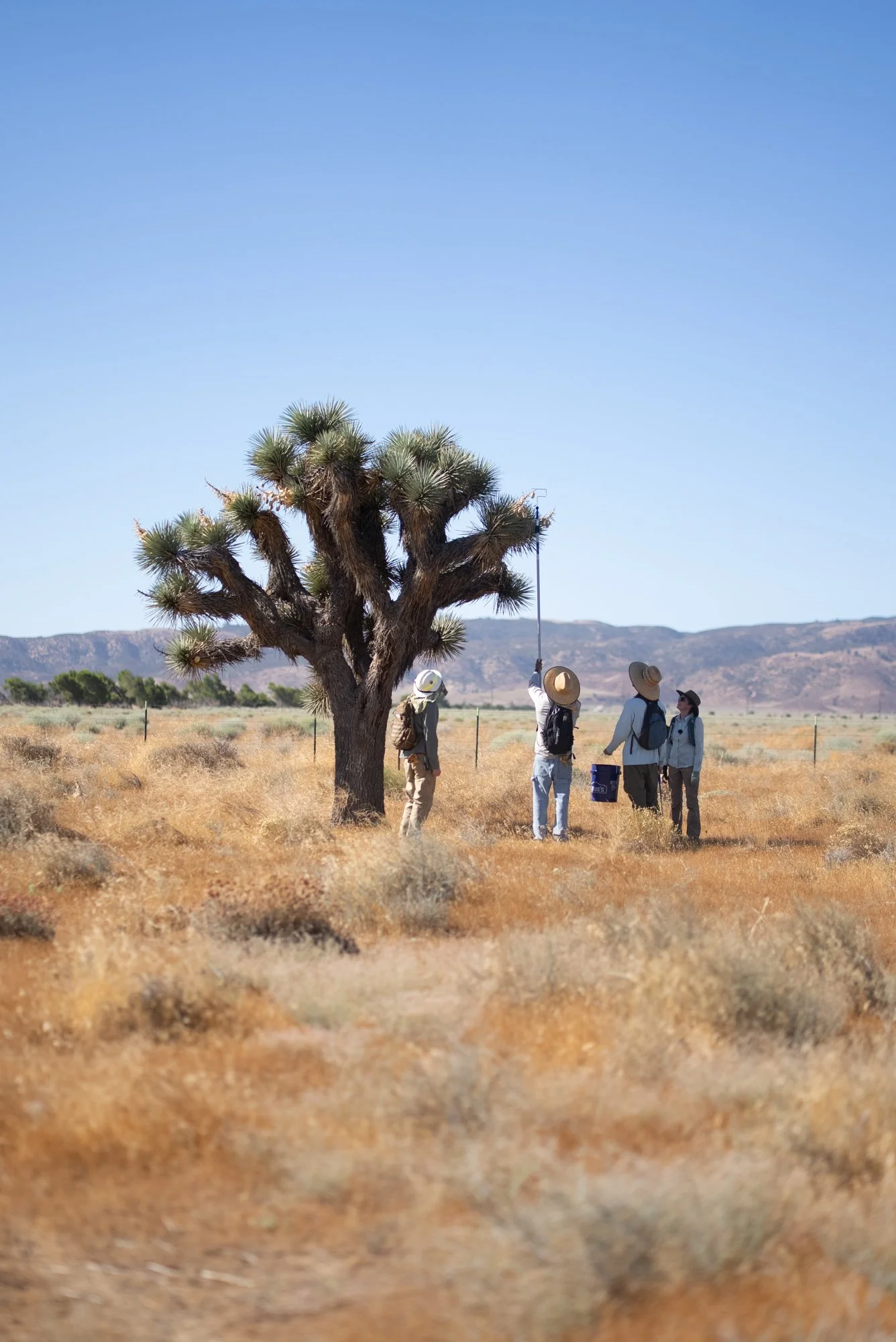
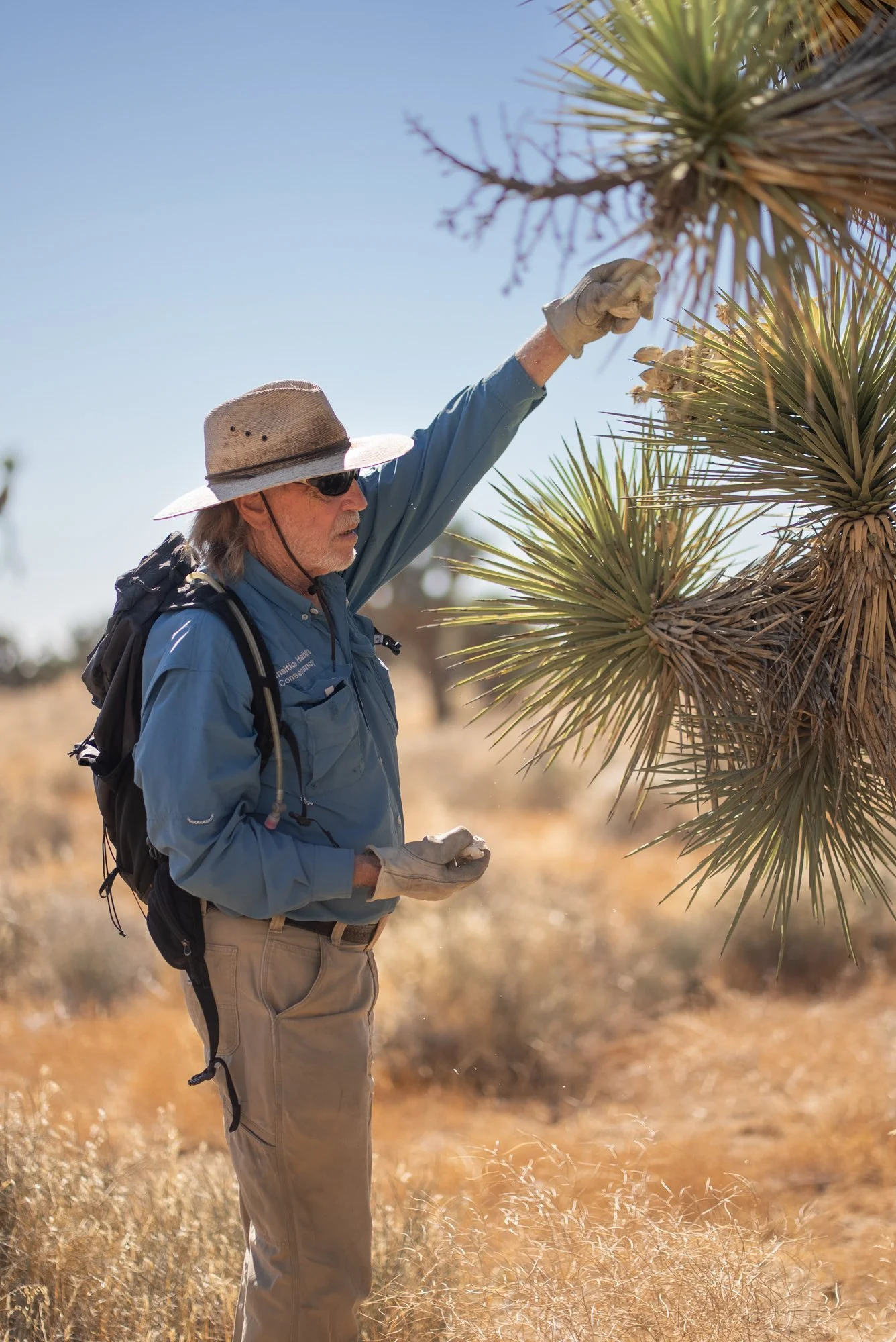
Why We Need a "Sloth Army"
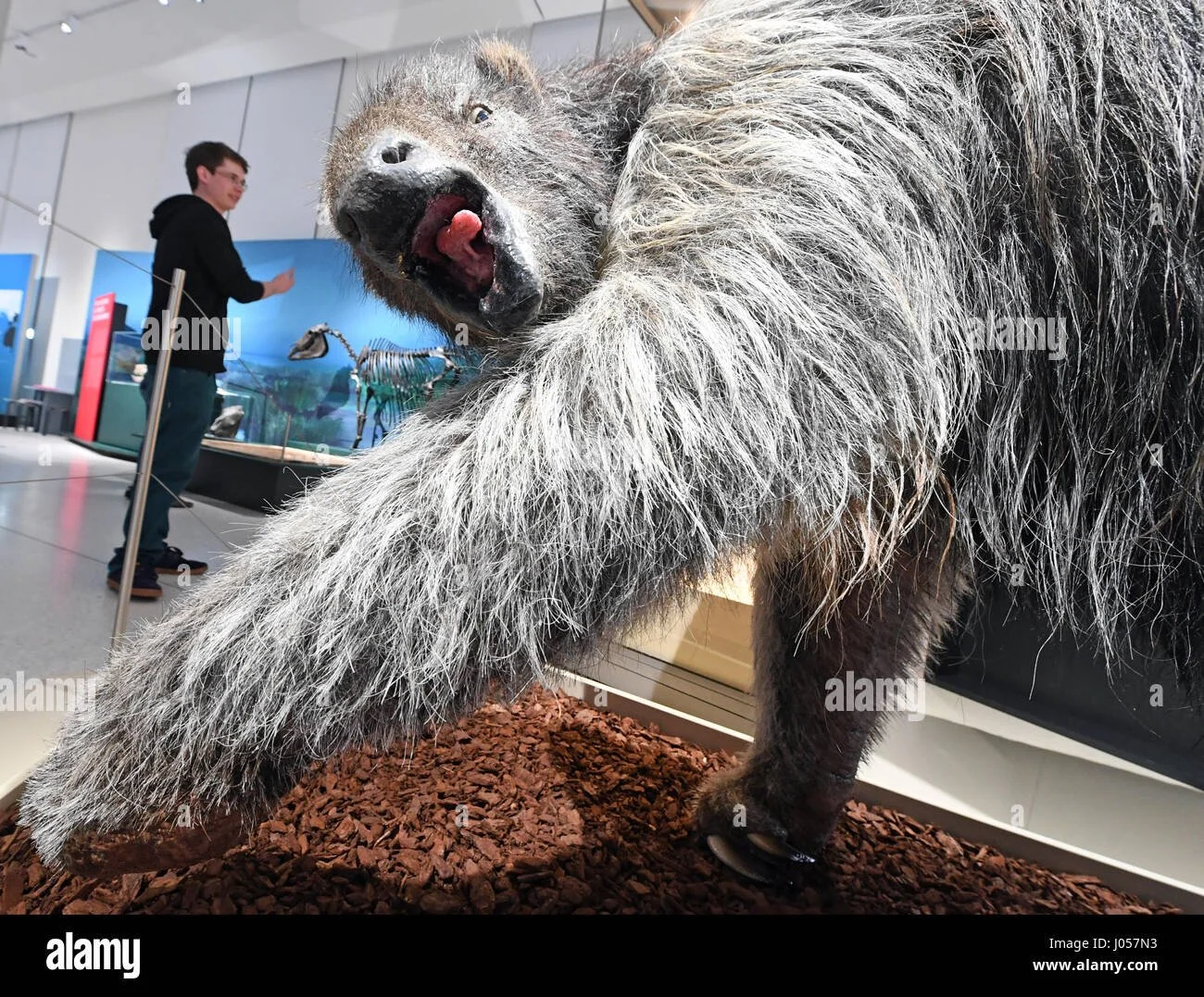
Thousands of years ago during the Ice Age, the Western Joshua tree had a giant evolutionary partner: the Shasta ground sloth. This bear-sized critter stood at about 9 feet tall, allowing it to easily reach high into the branches to munch on giant Joshua tree seed pods. Because the sloths traveled miles across the desert before digesting their food, they dropped the seeds far and wide in piles of natural fertilizer, planting some of the desert forests we love today.
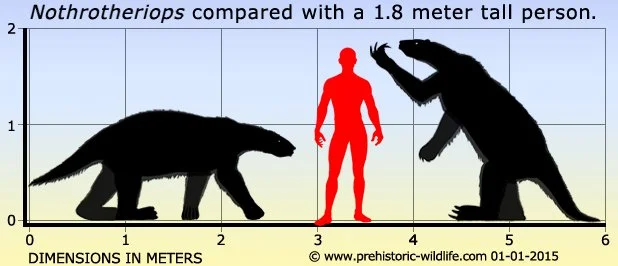
When the sloths went extinct about 11,000 years ago, the Western Joshua tree lost a primary seed planter. Today, the trees are biologically "marooned"—their heavy seeds don't travel on the wind, and small rodents only carry them a few feet away. Without a giant partner to move their seeds to cooler, higher elevations, Joshua trees may struggle to adapt to modern climate change.